Measure the transom, not the motor
Shaft length belongs to the motor; the number you take off the boat is the transom height. Measure it as the vertical distance from the top edge of the transom — the flat the motor's clamp bracket sits on — straight down to the lowest point of the hull at the centerline. Both dimensions are on the same scale, which is why a hull with a 20-inch transom takes a 20-inch long shaft.
Two things send the measurement wrong. Measure vertically, not down the face of a raked transom. And measure at the centerline, where the hull is deepest, not off to one side.
The three shaft classes we stock
| Transom height | Shaft class | Appears in listings as | Usually found on |
|---|---|---|---|
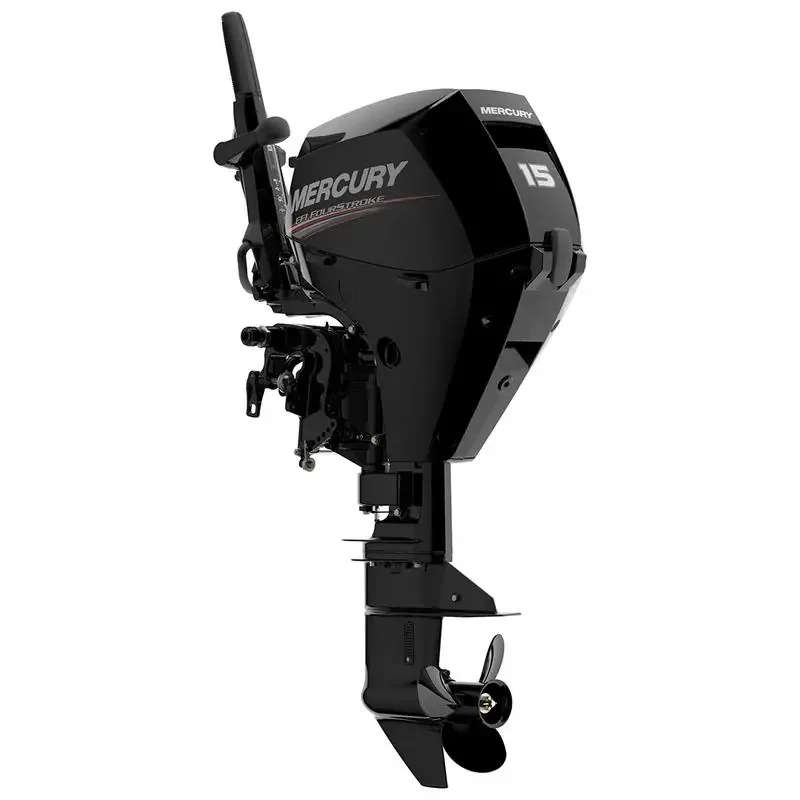
| 15 inches | Short | 15 in (Short) | Small aluminum boats, jon boats, tenders, inflatables, sailboat auxiliaries on a low bracket |
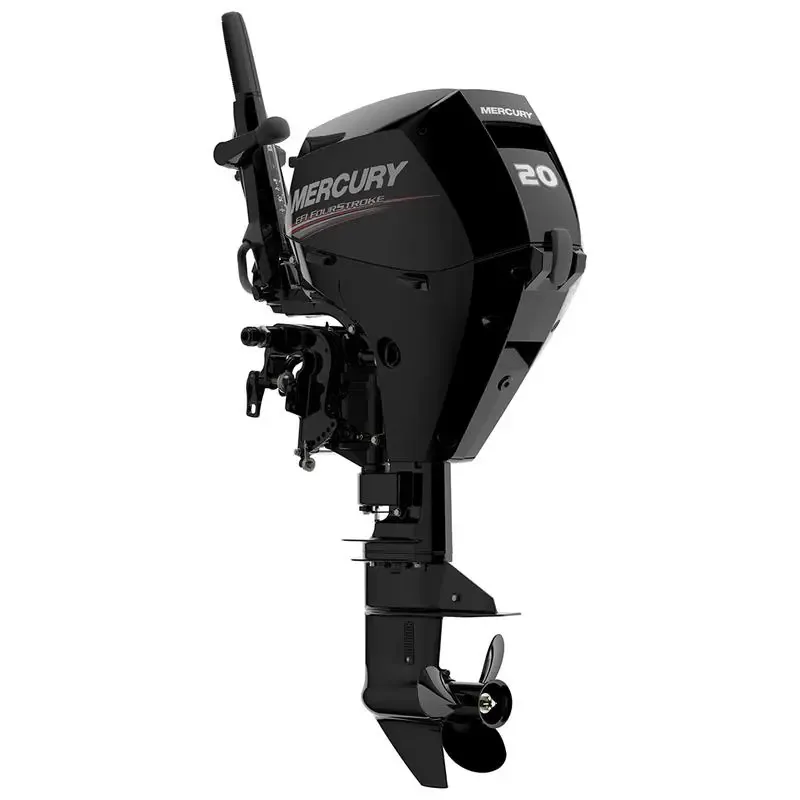
| 20 inches | Long | 20 in (Long) | Most 14 to 22 ft skiffs, bay boats, flats boats and small center consoles |
| 25 inches | Extra long | 25 in (Extra Long) | Offshore transoms with high freeboard, motors on a bracket or pod, kickers on a tall transom |
The shaft itself is measured from the top of the clamp bracket to the anti-ventilation plate above the propeller — the flat plate that stops water climbing the leg. That plate wants to sit roughly level with the bottom of the hull, or a touch above it. Line it up and the leg is doing what the hull was designed for.
How to take the measurement
- Get the boat level. On the trailer, with the hitch set so the hull is sitting square, is fine. A hull tilted nose-up reads long.
- Lay a straight edge or a spirit level across the top of the transom and mark where the motor clamps down.
- From that line, measure straight down the transom face to the hull bottom at the centerline. Not along a raked transom, and not to the trailer or the chine.
- Repeat it once. A 20-inch transom measuring 19 or 21 is normal; a hull that measures 17 or 23 is worth looking at again before you order.
- Round to the class the hull was built for — 15, 20 or 25. Halfway numbers do not bracket: the mounting bolts set the vertical position, not a fraction of an inch.
If the motor is still fitted, tilt it up or take it off. The old motor's shaft length tells you what the last owner bought, which is not the same as what the hull needs.
Where to read it in a Mercury listing
Every Mercury outboard in the shop carries a Shaft Length line in its Overview specs, stated as 15 in (Short), 20 in (Long) or 25 in (Extra Long). Read that line rather than decoding the letters in the model code — the specs row is what the order and the invoice go on.
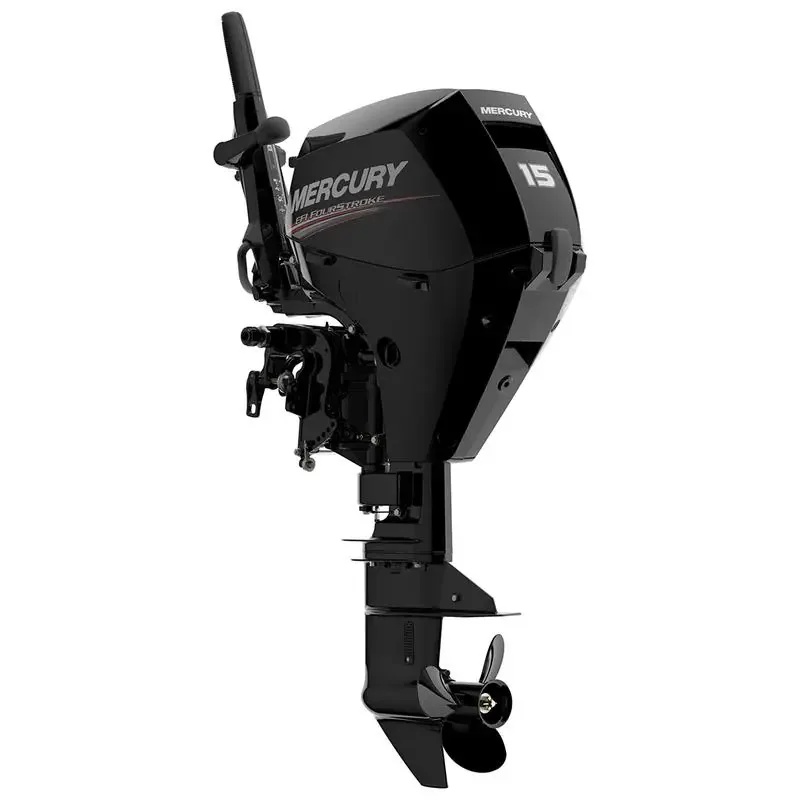
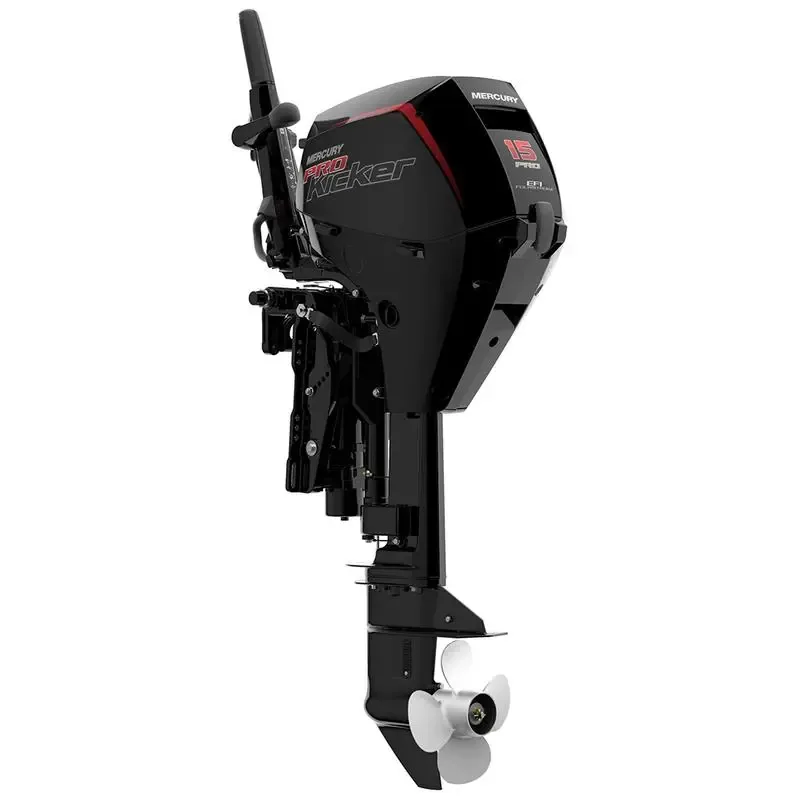
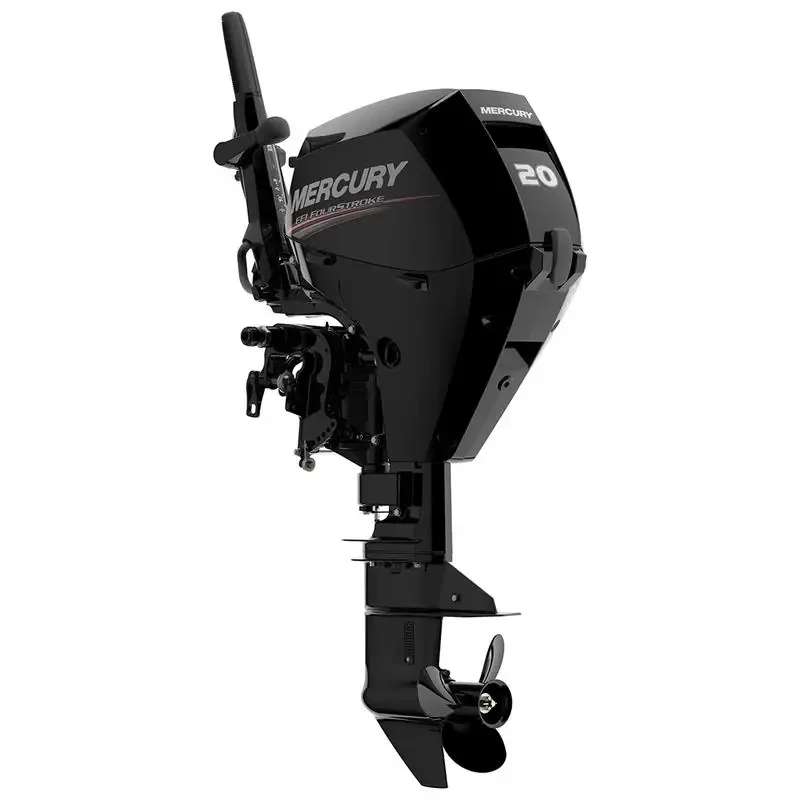
Mercury builds the same horsepower in more than one length, which is the whole point. The 9.9 EFI four-stroke is listed here in short, long and extra long, including tiller and Command Thrust versions. The Avator 7.5e electric comes as ESH at 15 inches, ELH at 20 and EXLH at 25. The 9.9 and 15 ProKicker models are stocked only in 20-inch long and 25-inch extra long, because a kicker hung off a big offshore transom rarely needs anything shorter.
Browse the whole range at Mercury outboards or across brands at outboard motors.
When the transom is not a plain flat face
- A notched or cut-down transom — common on bass boats and some jons. Measure to the hull surface where the motor actually sits, and do not bridge the notch with a straight line.
- A bracket or pod — measure to the bottom of the hull, then ask what shaft the bracket was designed around. Pods are built for a set length and the wrong one puts the prop in the wrong water.
- A jack plate — setback changes where the prop runs, not which class the hull takes. Order the class the transom measures, then confirm the plate's height range.
- A sailboat auxiliary on a stern bracket — the bracket decides it, not the old transom. Measure from the bracket mounting face down to the waterline and expect long or extra long, so the prop stays wet in a chop.
- Twins or triples — measure each transom position. A hull can be built with a different height at the center pod than at the outer stations.
What the wrong shaft costs you
Too short and the leg hangs high: the anti-ventilation plate sits above the hull bottom, the prop ventilates in turns and chop, the water pickup can break the surface, and trimming down stops helping because there is no more leg to give. Too long and the plate runs below the hull: extra drag, spray up the sides, the gearcase finds bottom sooner than it should, and a kicker sits deeper than you want for slow trolling.
Neither is fixed by adjusting the bolts. A shaft change means a different leg or a different motor, so the measurement is worth ten minutes now.
Send us the numbers before you pay
Deepline reviews each outboard order against the boat before it invoices. Send the make, model and year, the transom measurement, and a photo of the transom taken square-on from behind, and we match it to the shaft length on the listing. Nothing is charged on the site; if we think the length is wrong for your hull, you hear about it before any invoice goes out. Questions about mounting, weight or controls go through contact, and the general answer on ordering and returns is in the FAQ.