What a kayak actually constrains
Three things decide the answer, in this order: where the display goes, where the power comes from, and where the transducer sees clean water.
Space. A sit-on-top usually has a flat moulding on the console or a gear track to bolt a bracket to. A sit-inside has almost nothing, and anything mounted in front of you is in the way of a paddle stroke. That single difference rules out half the units in a boat catalogue.
Power. Every screen needs a supply. A castable moves the display onto your phone, so there is nothing to wire and nothing extra to carry on the deck.
Water. Spray, rain and paddle drips are constant. Every unit named on this page lists IPX7 or better in its specifications, which is the rating that matters when a wave comes over the side.
The three ways to put sonar on a kayak
Castable sonar: nothing mounted
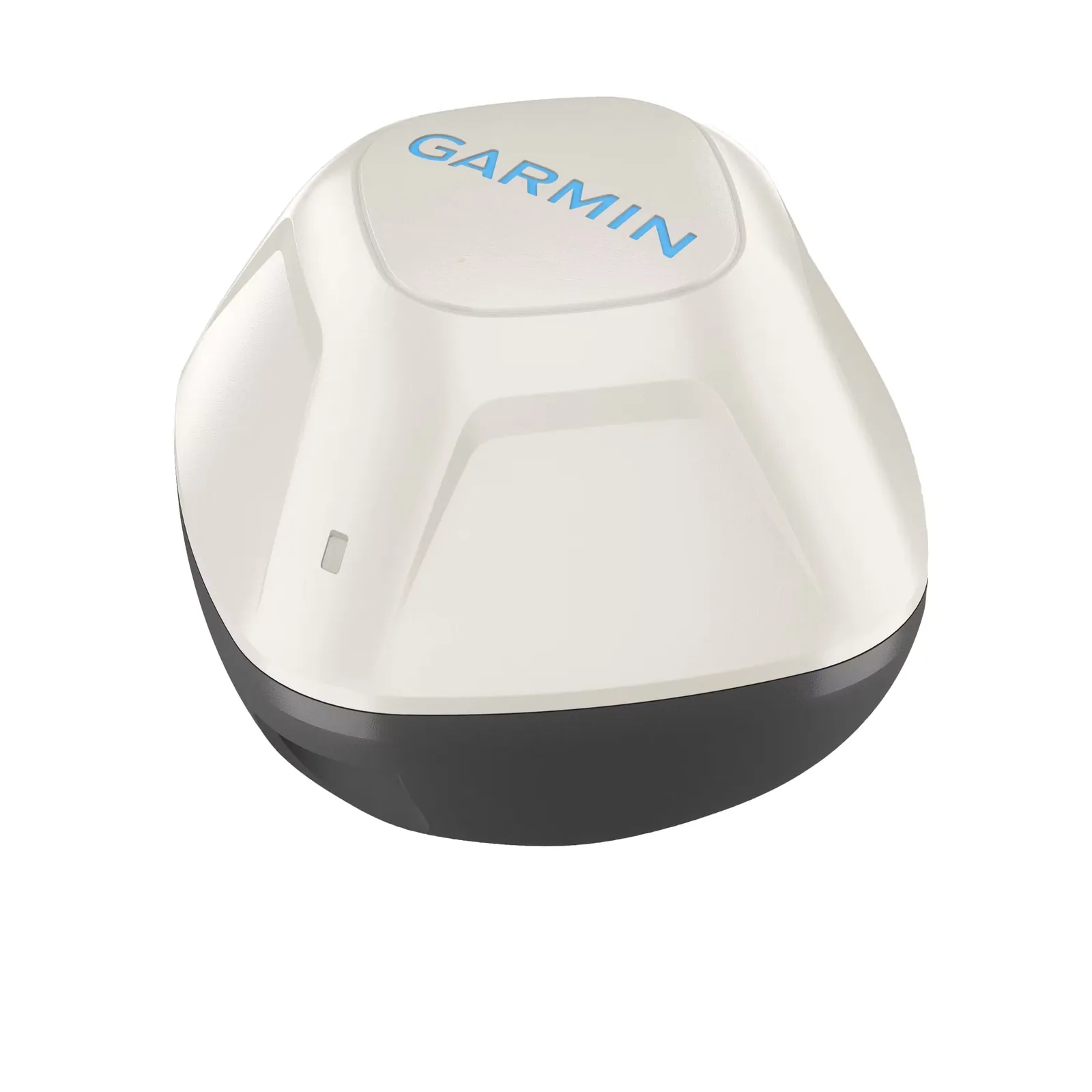
The Garmin STRIKER Cast is cast on a line and read on your phone. Its listing gives 2D sonar, IPX7 water resistance and GPS listed as No. Nothing is bracketed, nothing is drilled, and it goes in a dry bag when you are done. The cost is that your phone is the screen and every reading is a cast, so you scout a flat or a drop-off rather than watching the screen while you fish.
The HawkEye FishPod 5X Bluetooth portable sonar sits in the same group. Its listing describes casting it from shore, attaching it to paddle sports equipment, flinging it from a boat or taking it on the ice, with 2D sonar, IPX7 and GPS listed as No.
A portable kit with its own screen
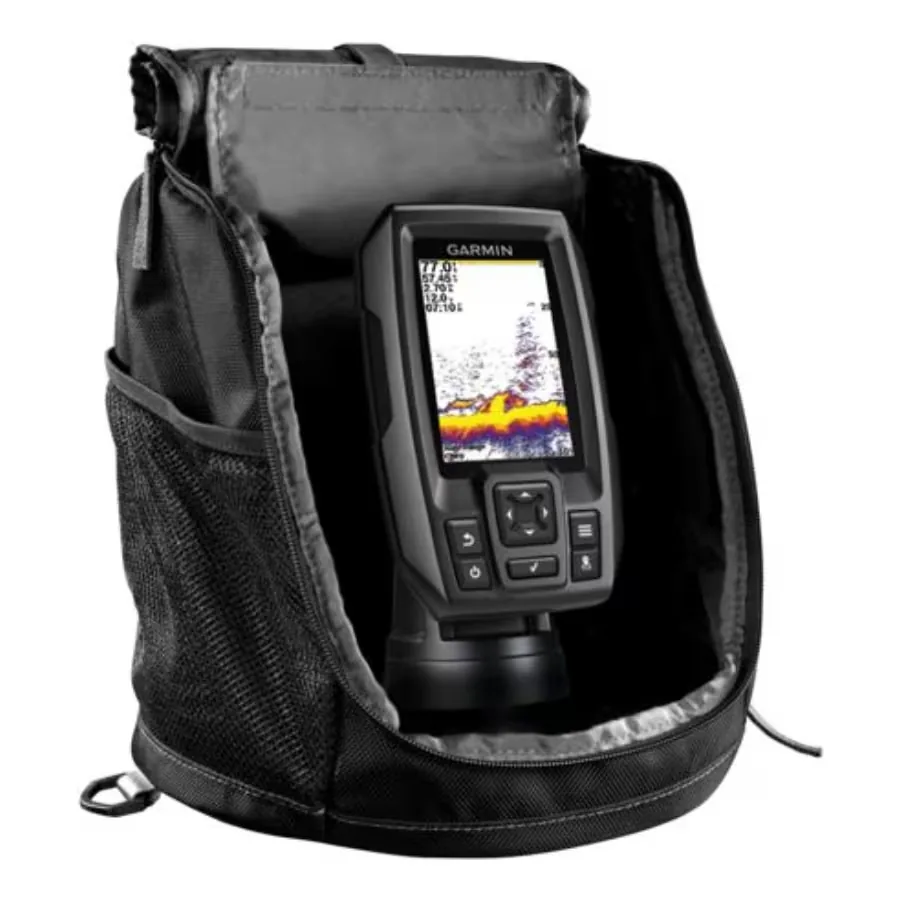
The Garmin Striker 4 Portable Bundle is the middle of the road: a 3.5-inch screen, GPS included, 2D sonar, IPX7. It gives you a display you glance at without picking up a phone, and GPS to mark the rock, wreck or drop-off you want to come back to. It needs a bracket for the display and the transducer has to go over the side on a mount, so it suits a sit-on-top or any kayak with a clear flat spot in front of you.
Browse the rest of the portable fish finders and the wider depth sounders and fish finders if you want to compare sizes and screens yourself.
Handhelds: depth and fish, pocket sized
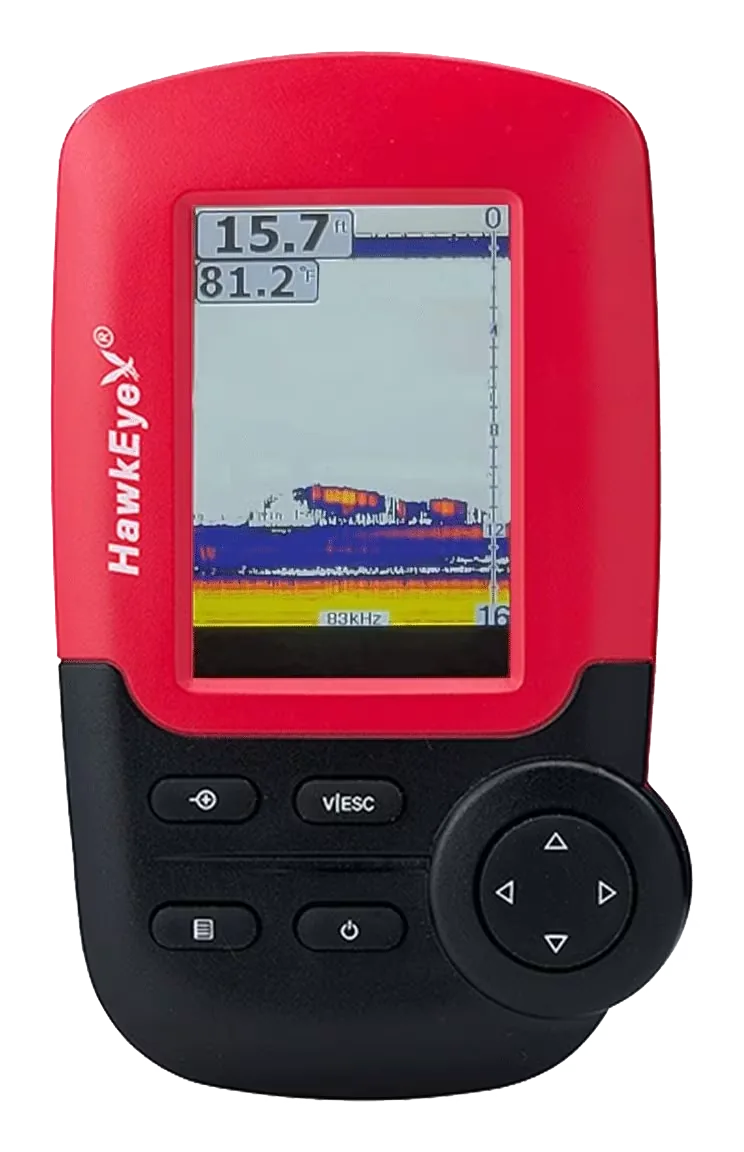
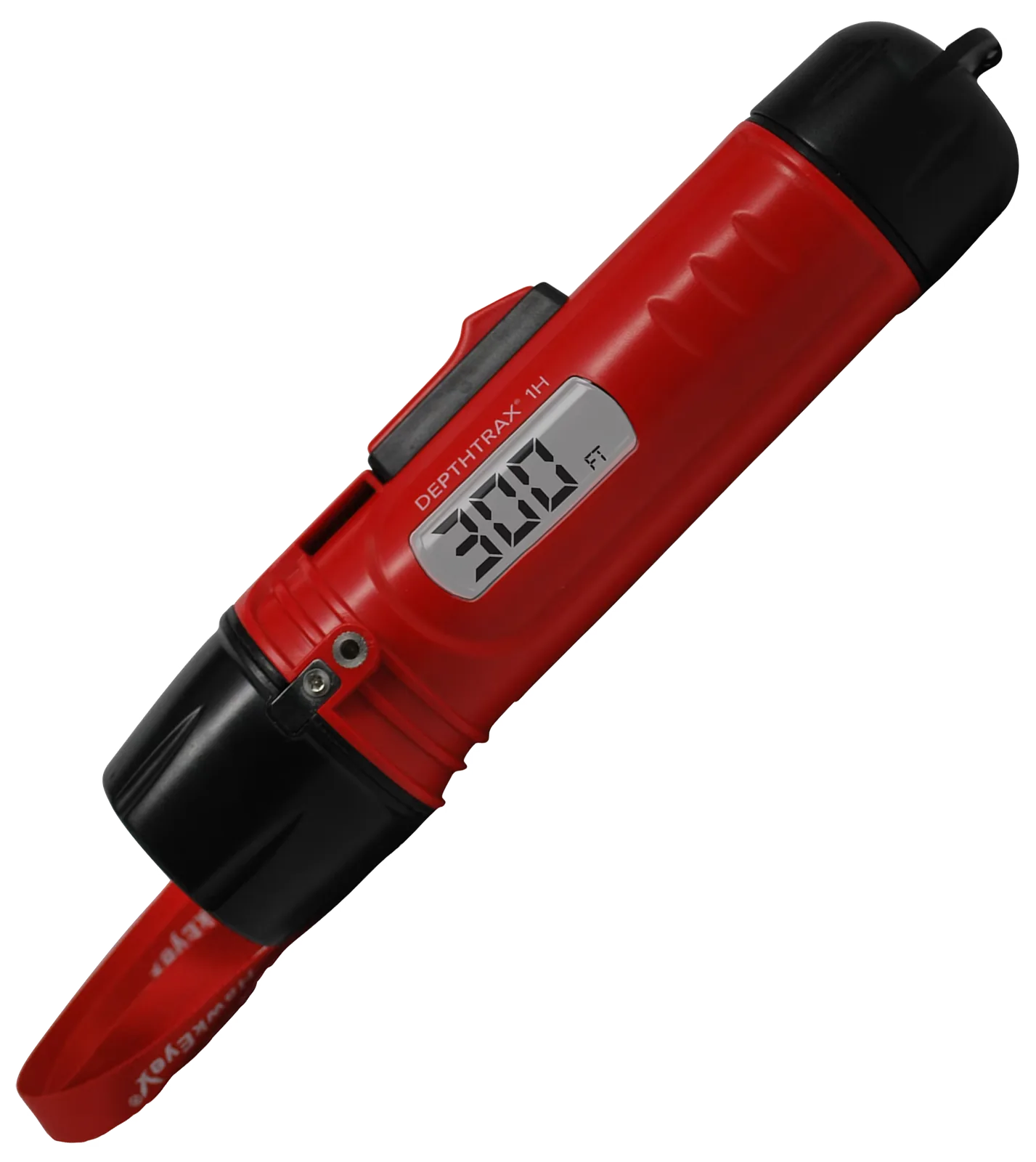
The HawkEye FishTrax 1C Color Handheld Fish Finder is held in the hand or set on a small bracket: handheld form factor, 2D sonar, IPX7, GPS listed as No. The HawkEye DepthTrax 1H is the depth-only version, listed at IPX8 with 2D sonar and no GPS. Both suit a paddle kayak where you want a number for the bottom and a mark for fish without adding a mounted screen. See the full HawkEye range.
The three side by side
| Unit | Type | Screen | GPS (as listed) | Sonar | Water rating |
|---|---|---|---|---|---|
| Garmin STRIKER Cast | Castable | Your phone | No | 2D | IPX7 |
| HawkEye FishPod 5X | Castable, Bluetooth | Your phone | No | 2D | IPX7 |
| Garmin Striker 4 Portable Bundle | Portable kit | 3.5 inches | Yes | 2D | IPX7 |
| HawkEye FishTrax 1C | Handheld | Handheld color | No | 2D | IPX7 |
| HawkEye DepthTrax 1H | Handheld depth finder | Handheld | No | 2D | IPX8 |
Deciding in a minute
- No mounting, no wiring, scouting water you can cast to: STRIKER Cast or FishPod 5X.
- You want GPS and a screen you can read while drifting: Striker 4 Portable Bundle.
- Paddle kayak, depth and fish only, no power on board: FishTrax 1C, or DepthTrax 1H if all you need is the bottom.
- You already own a Garmin or Lowrance display off another boat: you do not need a second unit. You need a transducer and a mount that suit the hull.
Where kayak installs go wrong
It is almost never the screen. It is the transducer: mounted where the hull, a scupper or a paddle stroke puts turbulent water over the face, or on a bracket that moves at the wrong moment. A transom bracket off the stern works on some sit-on-tops; many kayaks do better with the transducer over the side on a scupper mount or a trolling-motor mount. A thru-hull is only an option on a hull built to take one.
The transducer guide covers mount types, frequencies and connectors. Get the mount right first and the screen keeps up.
Fresh water or salt
Every unit described here carries the listing specification Pursuit: Freshwater Fishing. Read that as the manufacturer's intended use, not a limit somebody at the shop invented. If you fish bays, flats or open salt, send us the model and we will tell you what the listing actually supports before you pay.
Before you order
- Where the display will sit, and whether a paddle stroke passes through that space.
- How you will power it, and whether that supply stays dry.
- How the transducer will see clean water when you paddle and when you drift.
- Whether you need GPS to find the spot again, or only a depth reading.
Send us your kayak, and the display model if you already own one, through the contact page. We check the mount and the connector against the listing before an invoice goes out, nothing is charged on the site, and unused items in their original, unopened packaging can be returned within 30 days with no restocking fee under the refund policy.