What a thermocline actually is
In summer the sun warms the top of a lake or a sheltered bay faster than wind can stir it. Warm water is lighter, so it floats on the cold water underneath, and between the two sits a narrow band where the temperature falls off fast. That band is the thermocline. The density difference is enough to keep the layers from mixing, which is why a lake can be warm at the surface and cold below it for most of the season.
Two things follow from that. The warm layer on top is the one that gets sunlight and holds oxygen. The cold layer below is cut off from the air, and in a lake that grows a lot of weed and algae the oxygen down there is used up by decay and never replaced. The thermocline is the wall between those two worlds, and fish arrange themselves around it.
Why it shows up on 2D sonar
Sonar needs something to reflect, and a thermocline is not an object — it is a change in water density. That change is still enough to scatter a little of the sound pulse back up to the transducer, so the sounder draws a soft horizontal band across the water column. The bottom is a strong return and reads as a solid line. The thermocline is a weak return and reads as a faint one.
That is why you usually have to raise the gain to see it. On an ordinary fishing setting the band is invisible; with gain up it appears as a layer that holds a steady depth across the screen. It is continuous, it does not arch, and it stays at the same depth as you move over the water. A band that comes and goes, or that changes depth from pass to pass, is more likely bait, plankton or propeller turbulence in the top of the column.
Why fish hold above it in summer
The thermocline splits the water into a warm, oxygenated top and a cold, often oxygen-poor bottom. Fish want the cold water, but they need oxygen, so most of the summer population sits in or just above the layer where the two meet. Baitfish and plankton hold above the thermocline too, which is the other half of the reason predators are there.
That gives the band a use beyond curiosity: it is a fishing depth you can read straight off the screen. Marks above it are worth working. Long empty water below it is common in a productive lake, because there is little oxygen down there and little to eat.
Do not over-apply that. A deep, clean, cold lake can hold oxygen to the bottom all year, and lake trout and other coldwater fish will sit well below the band. Rivers, shallow flats and any water that gets stirred hard by tide rarely stratify at all. Treat the thermocline as the usual pattern in lakes and deep sheltered bays in summer, not as a law.
Reading it without being fooled
- Raise the gain until the band appears, then bring it back down until the band is faint but unbroken and fish arches are still distinguishable. Running gain high all day turns every return into a blob.
- Compare the band to your surface temperature readout. If a temperature sensor is fitted to the transducer, the band is about where that reading starts to fall as you drift or troll.
- A real thermocline crosses the whole screen at one depth. Bait shows as lumps, and a soft weedy bottom shows as a ragged top edge at the seabed, not mid-water.
- With the gain very high, a strong thermocline can be mistaken for a second bottom. If your depth number disagrees with where the band sits, trust the digital depth and the hard return.
Fall turnover: when the band disappears
When the air cools, the surface water cools with it, becomes denser and sinks. Wind finishes the job. The layers mix, temperature evens out from surface to bottom, and the thermocline is gone. On the screen the band simply stops appearing, often within a couple of weeks of the first cold snap.
Turnover changes where the fish are. With oxygen through the whole column they spread out instead of stacking on one depth, so the summer pattern that produced fish all season goes quiet. It also stirs the bottom and can cloud the water for a while, which shows on sonar as a softer, noisier bottom return and reduced detail. That is normal fall behaviour, not a fault in the sounder, and the band comes back in spring as the surface warms again.
What to run if you want to see it
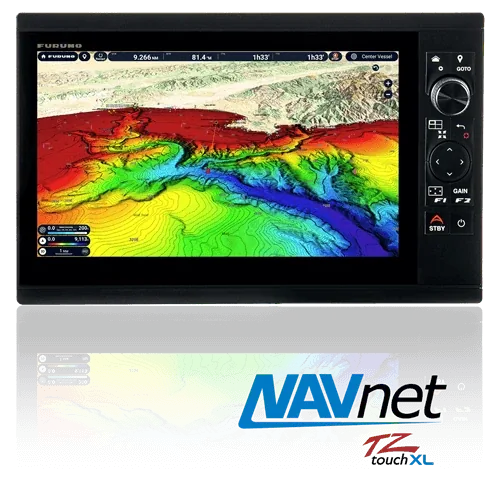
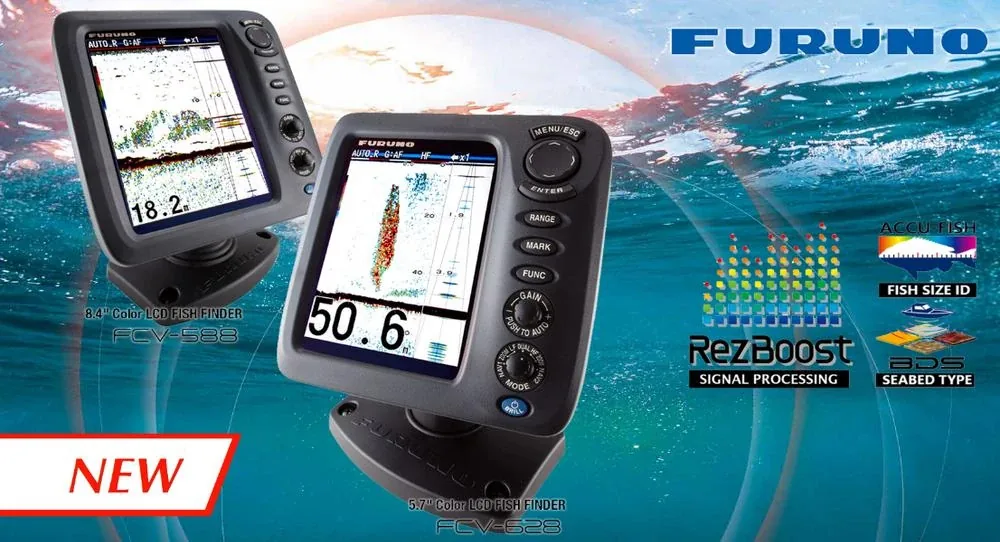
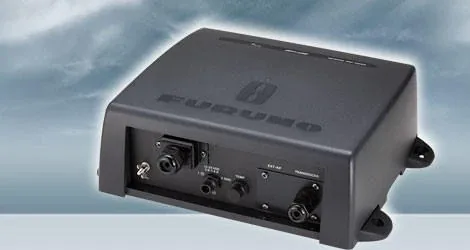
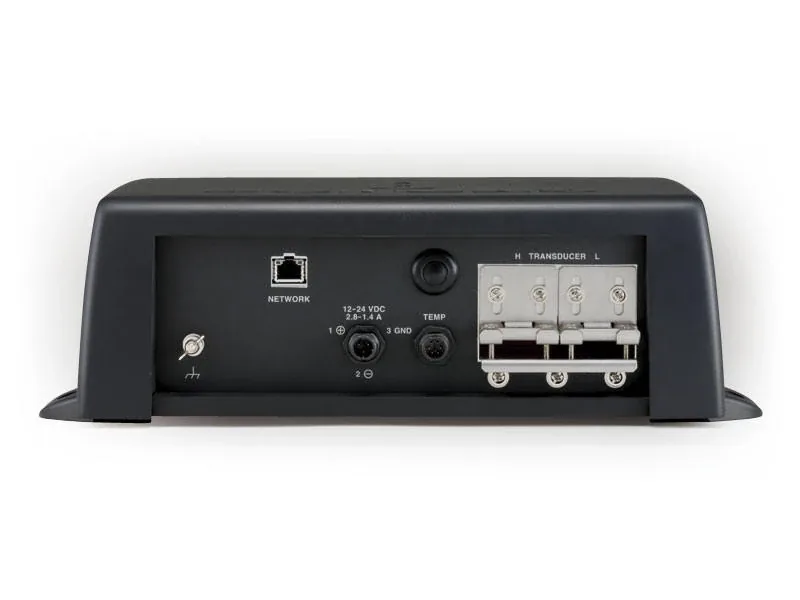
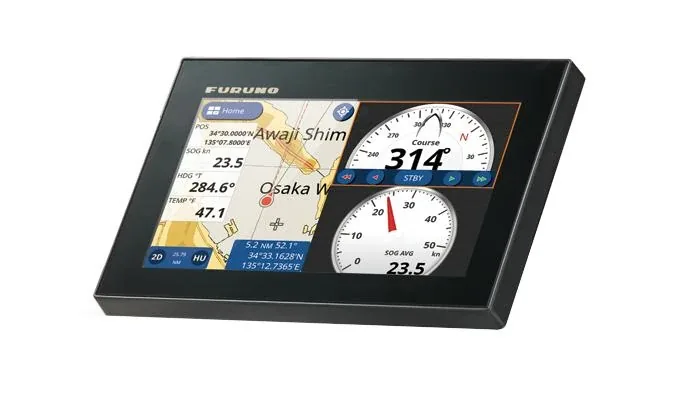
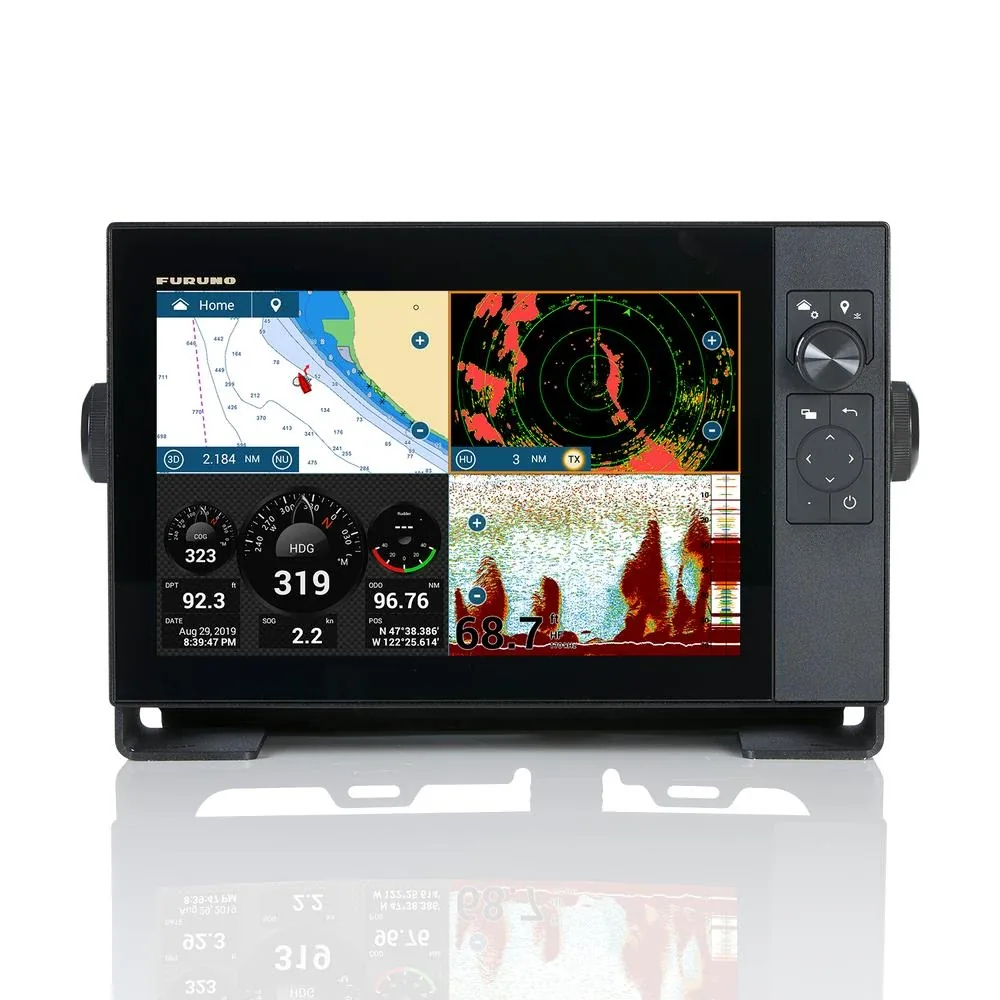
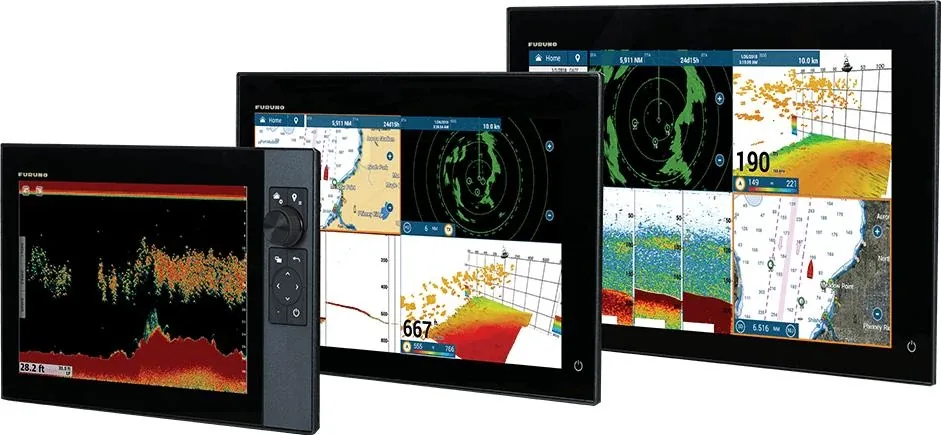
A thermocline is a weak return, so it rewards power and a clean install more than any single setting. High-power sounders such as the Furuno DFF1-UHD and DFF3-UHD put more energy into the water column and process the returns harder, and a faint density band is exactly the kind of target that helps with. The FCV-588, FCV-628 and FCV-800 are stand-alone sounders with the echo processing built in, while the TZT3 and TZT13X multifunction displays take a networked sounder module for their sonar picture. Start with the Furuno fish finder listings or the wider depth sounder and fish finder department.
The transducer is doing half the work. A transom or thru-hull mount that is clean, correctly aimed and not drawing aerated water at speed holds a steady picture; a beam smeared by turbulence will not show a thin band no matter what the display is set to. Compare mounts and frequencies or browse transducers. If you are not sure what will drive the display you already own, send the model and your boat to our team — we check compatibility before you pay.