What Arkansas boats actually are
Most of the state fishes from aluminum. A 14- to 18-foot jon or semi-V with a tiller outboard is the standard rig on the White River, the Little Red, the Arkansas River pools and the smaller Corps lakes. Bigger glass boats live on Bull Shoals, Greers Ferry and Ouachita, but the jon boat is what gets used most weeks of the year.
That shapes the order you buy in. Hull first, then outboard, then electronics:
- Transom height sets shaft length. Most aluminum jons take a 15-inch short shaft; deeper semi-V hulls and most glass boats take a 20-inch long shaft; big-water boats with a raised transom take 25-inch extra-long.
- Transom weight rating caps horsepower. A 9.9 to 20 HP four-stroke is the usual fit on a 14- to 16-foot aluminum hull.
- Tiller or remote follows the console. Tiller for open boats, remote steer for anything with a helm.
Tailwaters: the White River and the Little Red
The cold water below Bull Shoals Dam and below Greers Ferry Dam is why Arkansas has trout at all. Both are hydroelectric tailwaters, and both change on the dam's schedule rather than yours. On the White, generation through the units turns a wadeable river into fast, cold, rising water in minutes. The Little Red below Greers Ferry behaves the same way, and its brown trout are wild fish that reproduce in the river.
Two practical consequences for a boat and its electronics:
- Get off the water when the units come on. A small outboard has to be able to push upstream against generation to the nearest ramp. That is a horsepower question, not an accessories question — a 9.9 on a heavy 16-foot hull in rising water is not the same boat as a 20.
- Read depth before you drift. Tailwater pools, shelves and shoals sit where you cannot see them. A transom-mount fish finder with a clear depth number and a scrolling bottom trace is enough — you are reading the river bed, not hunting fish marks.
Trout water is cold, clear and often shallow at the edges, so keep the transducer above the lowest strake on the transom and expect to adjust it after the first run. The transducer guide covers mount height, angle and the prop-wash problem that makes a depth reading drop out at speed.
Reservoirs: Bull Shoals, Greers Ferry, Ouachita
These three cover most of what the state's lake anglers do.
- Bull Shoals — deep, clear, main-lake bass on points and bluff banks, plus walleye and big stripers up the creek arms. Side and down imaging earn their money here.
- Greers Ferry — bass, walleye and hybrids in a steep, rocky lake, with the Little Red running out of the dam.
- Ouachita — the clear one. Spotted and largemouth bass, big striped bass, crappie and walleye, with the stripers often found by locating bait rather than structure.
On clear water, screen resolution and a good mapping card matter more than raw power. On Ouachita's stripers, the sonar job is finding shad schools in the 20- to 40-foot range and staying on them; a unit with a fast, clean 2D trace and a chart you can mark is more useful than a big imaging screen with no mapping behind it. See fish finders and depth sounders and GPS chartplotters.
Lake Dardanelle and the Arkansas River
Dardanelle is a navigation pool on the Arkansas River, roughly 34,000 acres between Little Rock and Fort Smith, and it fishes nothing like the clear highland lakes. The main river runs muddy to stained all year, the level moves with rain and lock releases, and there is current, barge traffic and a lot of stumps and laydowns in the water you are trying to fish.
This is jon boat country, and the electronics job is different: you want reliable shallow depth, a bottom trace that shows hard cover, and a mount that survives being bumped. A transom-mount transducer on a trolling-mount bracket, a 7- to 9-inch screen you can see in flat light, and a unit that holds bottom at idle through chop will do more here than a long-range imaging setup. The clearer creek arms — Piney Creek and Illinois Bayou among them — are where visibility improves and where side imaging starts paying.
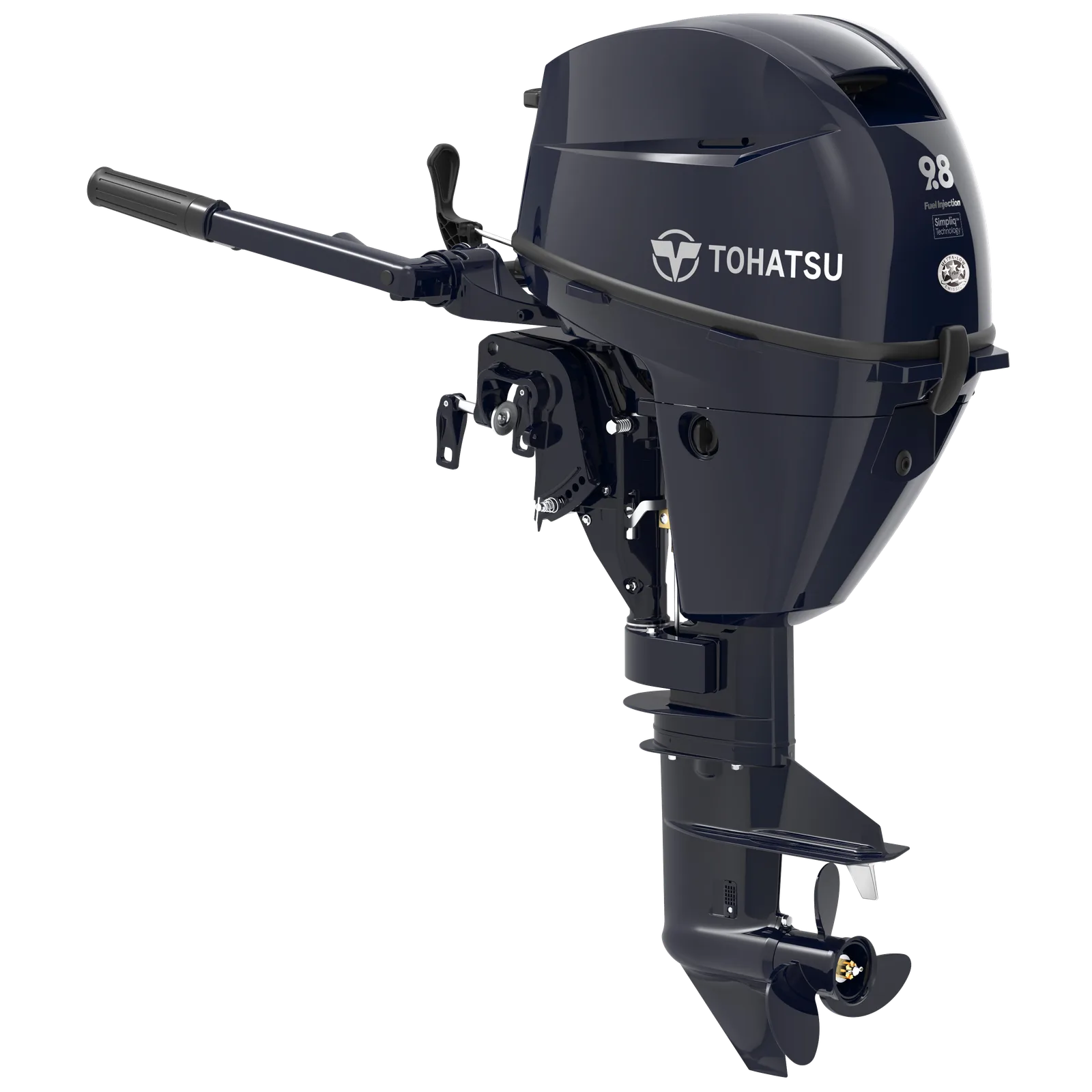
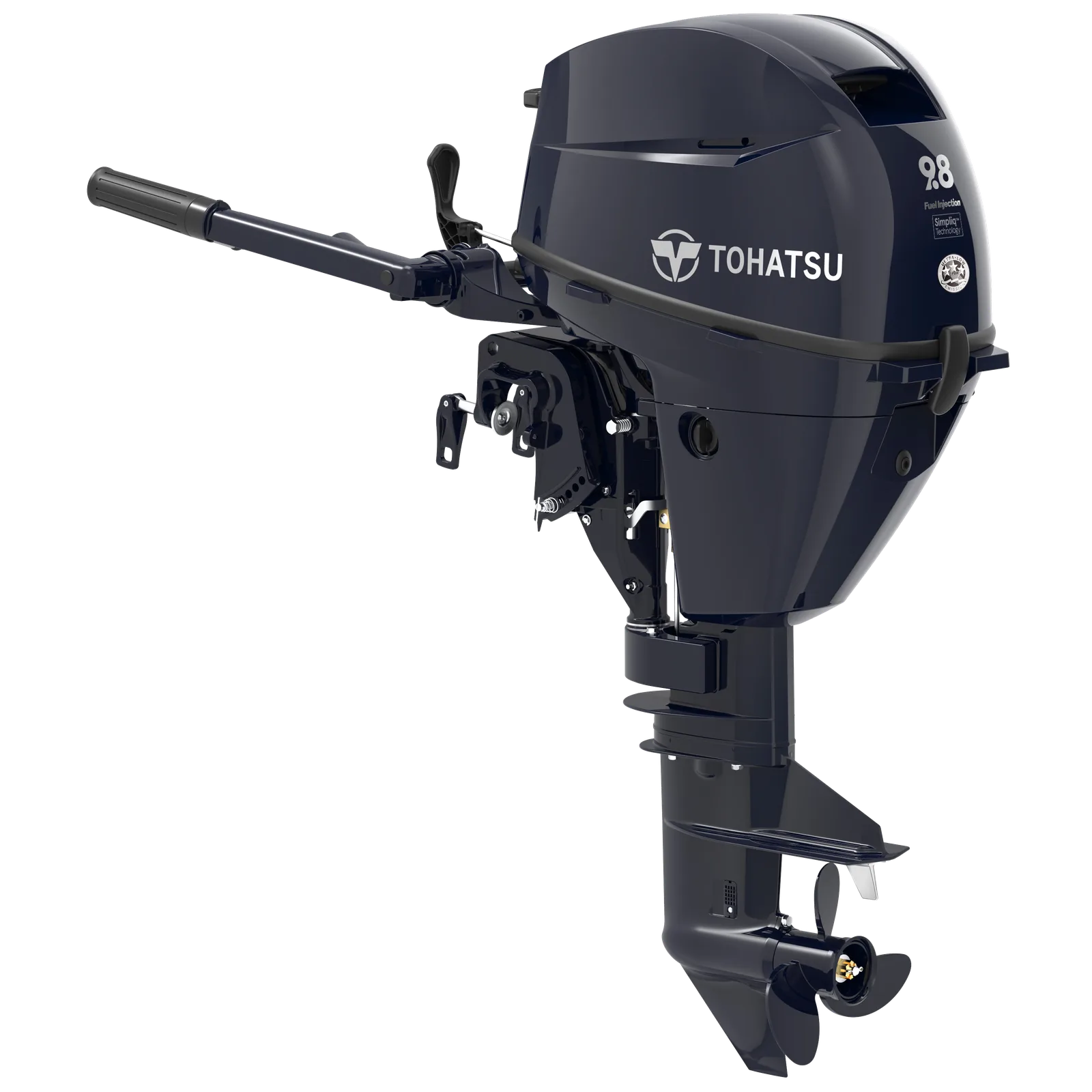
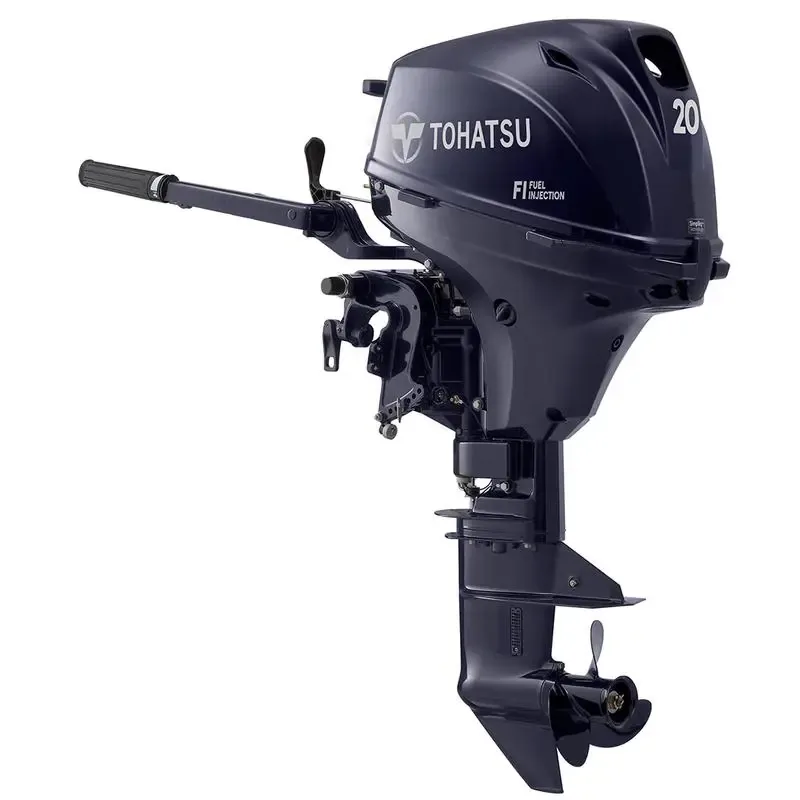
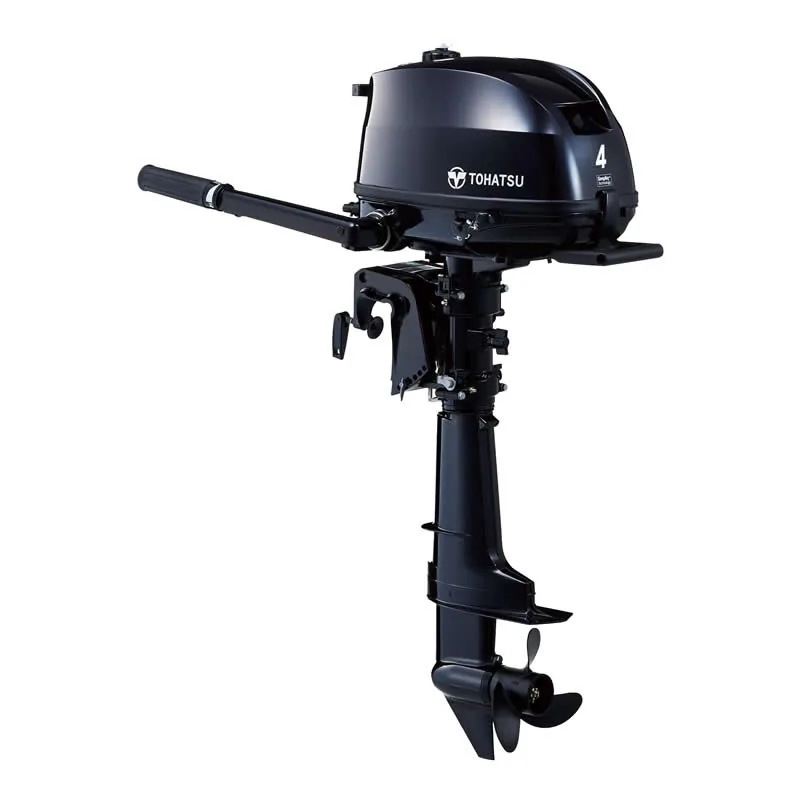
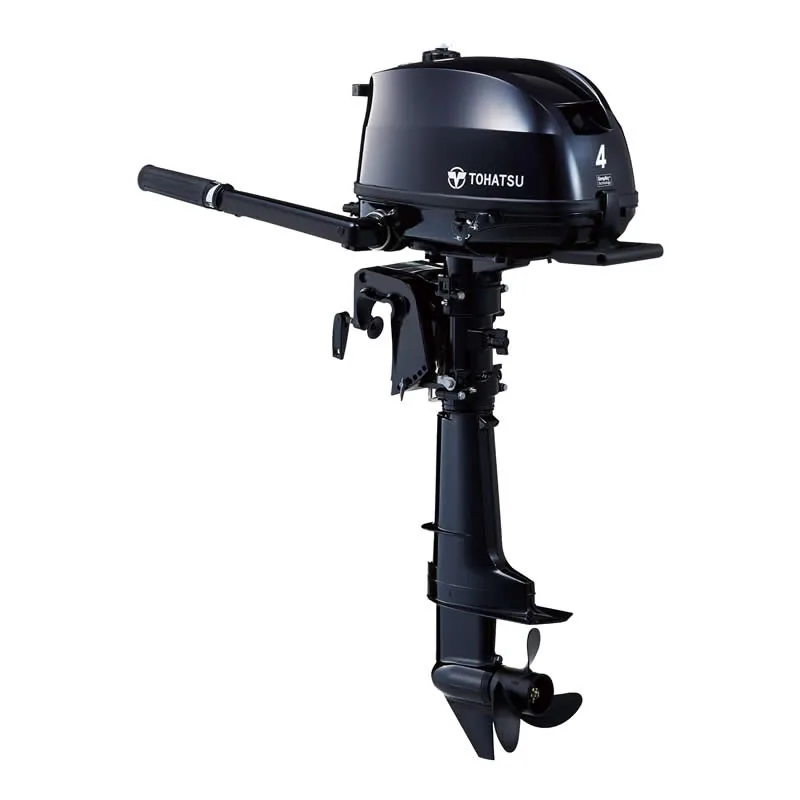
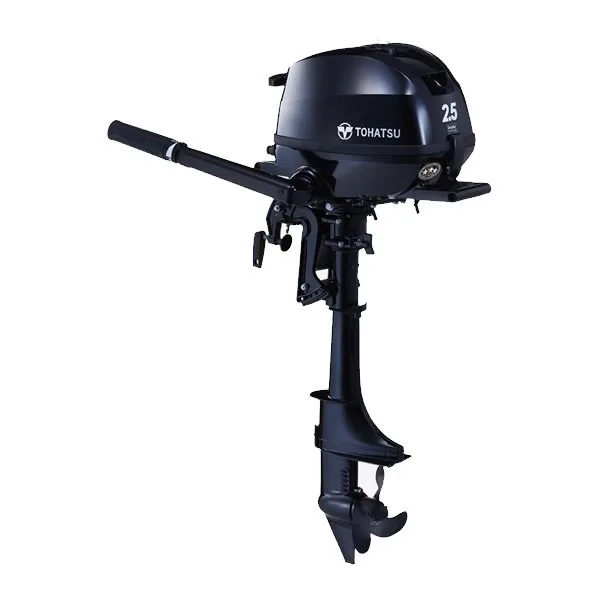
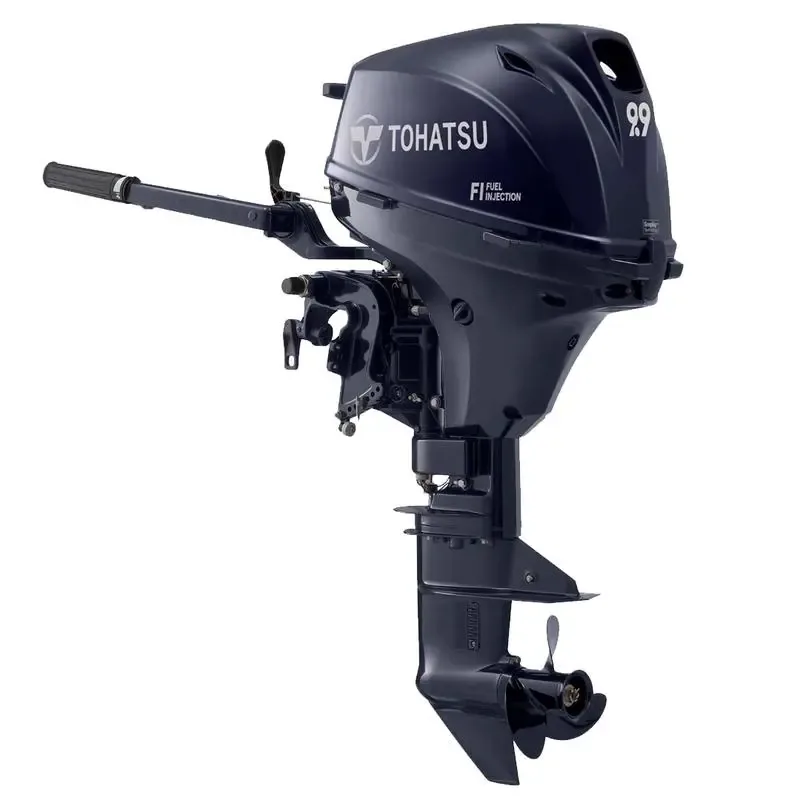
Small outboards are the other half. A 20 or 25 HP four-stroke on a 16- to 18-foot aluminum boat handles the pool, the ramps and the run up the creeks. If you are buying one, the Tohatsu outboards we stock run from a 2.5 HP kicker to a 30 HP, in short, long and extra-long shafts, tiller or remote, manual or electric start. The outboard motors department covers Mercury, Yamaha, Honda and Suzuki alongside them.
Matching an outboard to the hull, in order
- Measure the transom. Top of the transom down to the keel. About 15 inches means short shaft, 20 means long, 25 means extra-long. Getting this wrong is the most common and most expensive mistake.
- Check the capacity plate. Maximum horsepower and maximum transom weight. A four-stroke of a given horsepower is heavier than the two-stroke it replaces, and older hulls were rated with two-strokes in mind.
- Decide steering. Tiller keeps the boat light and open; remote steer needs a helm, cables and a battery.
- Decide start. Manual start is fine on a 9.9 tiller. Electric start and power tilt are worth it on anything you will be tilting at a shallow ramp or starting cold in November.
Send us the hull length, the transom height and the capacity plate, and we will tell you which shaft and horsepower actually fit before you pay anything.
Shipping to Arkansas
Deepline Marine is an online store in Miami, Florida — there is no Arkansas showroom, pickup point or installation service, and we do not claim one. Arkansas sits in our East & Midwest zone: once payment clears we dispatch in 1–3 business days, then transit runs 2–6 business days. Outboards ship by freight; electronics go ground, tracked and insured, with the tracking sent to you.
Shipping is priced to your ZIP code and shown on the invoice before you pay. Nothing is charged on the site: you get an invoice and pay by card link, ACH or wire, or Zelle. See shipping and payment methods.
What we check before we invoice
Every order is reviewed against your boat and your display before an invoice goes out — transom height for outboards, connector type, sonar channels and mounting for transducers and fish finders. Products are new and carry the manufacturer's warranty; we add none of our own. Unused items in original packaging can go back within 30 days with no restocking fee.
If you are unsure whether a unit matches what is already on your boat, send us the model numbers and we will check it.