Three fisheries, three different screens
New Jersey asks more of a helm display than most states. A bay boat working Barnegat Bay never sees deep water. A center console out of Manasquan runs 75 miles offshore and back in the dark. A trailer boat on Round Valley Reservoir sits over 180 feet of clear drinking water. Pick the display for the longest run you actually make, and the rest follows.
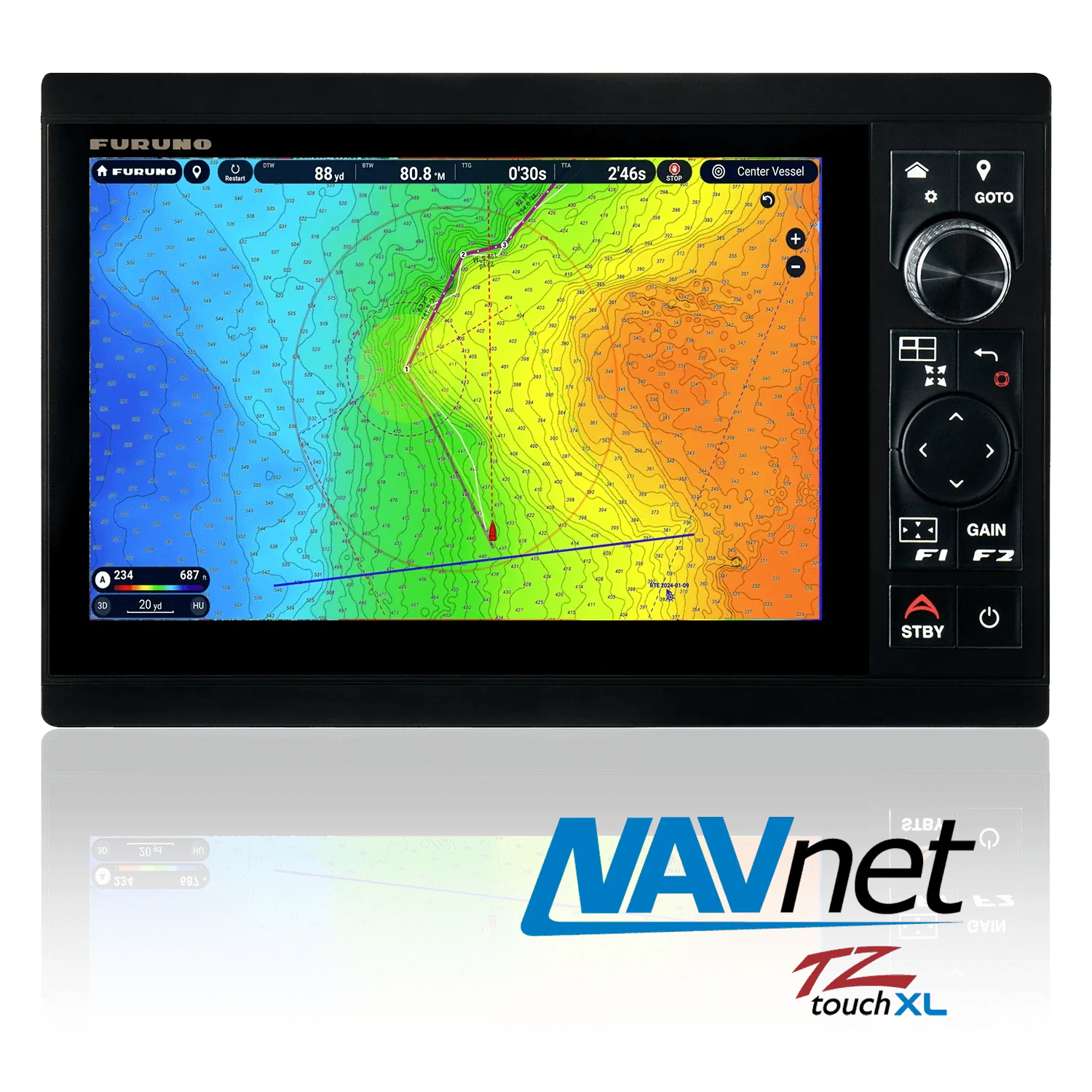
Furuno's line covers all three, from the 9-inch GP-1971F chartplotter and fish finder combo to the 16-inch TZtouchXL glass display, and every listing on this site shows its part number and full specs.
Barnegat Bay: shallow, weedy, tight
Barnegat Bay is a lagoon roughly 30 miles long behind Island Beach State Park, and most of it is thin water. Long stretches run 6 to 8 feet, with real depth only in the dredged channels and around the spoil banks. Fluke, weakfish, bluefish and striped bass get fished here within a few hundred yards of each other, which is why so many boats here run one screen for both chart and sounder.
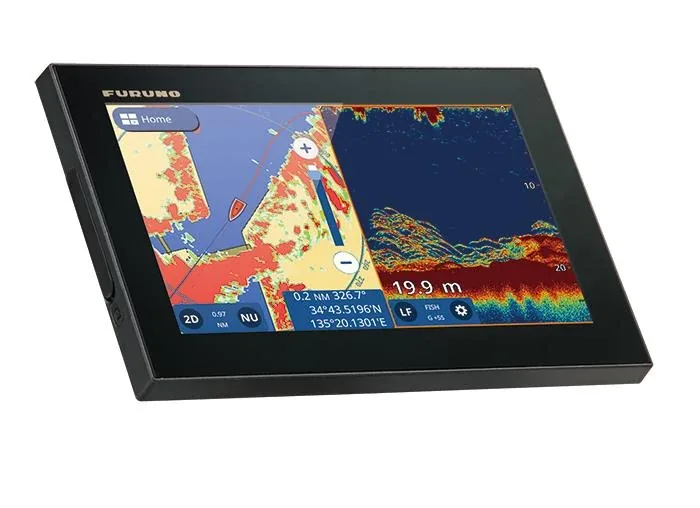
Two things matter more than screen resolution. Chart detail: you need the channel edges and the shoals readable at a glance, because the gap between the channel and a flat is a lower unit. And a shallow-water alarm you can set in feet. The GP-1971F is the size that suits a bay boat or a small center console — big enough to split chart and sounder side by side, small enough to fit a console where a 16-inch glass display will not.
The mount matters as much as the display. A transom-mount transducer is the usual pick on a trailered bay boat. A thru-hull reads cleaner on a hull kept in the water all season, but it is exposed on a boat that gets beached on the flats. The transducer guide walks through transom, thru-hull, in-hull and trolling-motor mounts and what each one does in shallow water.
Raritan Bay and the fall striper run
Raritan Bay is big, shallow and busy. Striped bass work the channel edges — Ambrose, Chapel Hill, the water off Sandy Hook — and the same bay carries ship traffic into New York Harbor, often in fog. That combination is where a chartplotter earns its place at the helm: shipping channels marked clearly, a screen bright enough to read in flat November light, and radar overlay on the same display if you run before sunup.
Boats that fish Raritan Bay and the ocean beaches through the fall usually want the display first and the radar second, on one screen. Check that the radar you pick networks with the display you pick before you order both — send us the models and we confirm it before the invoice goes out.
The Hudson Canyon run
The canyon's tip sits about 70 miles east of Barnegat Inlet, and crews working out of Manasquan and Barnegat treat 75 miles each way as a normal run. Most canyon trips are overnight. The walls fall close to 4,000 feet, and the fishing is yellowfin, longfin and bigeye tuna through the summer and fall, bluefin on their runs, plus swordfish, mahi and the occasional marlin.
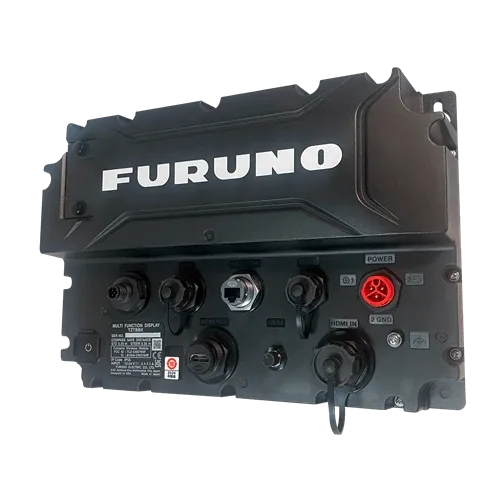
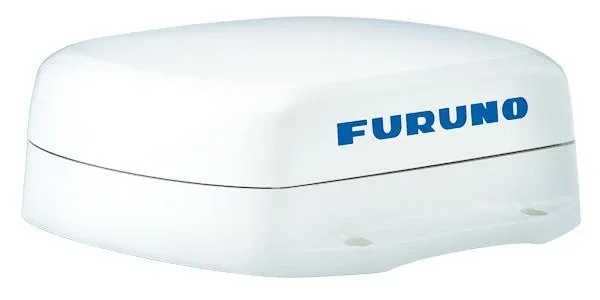
At that range the display is a navigation instrument first and a fish finder second. You want a chart that redraws without lag when you are running hard in the dark, radar and AIS on the same glass, and a heading source that holds steady in a swell — which is why boats making regular canyon runs add a satellite compass such as the Furuno SCX-20. If the boat has two stations, or a tower plus a cockpit screen, the TZTBBX black box runs the displays from one processor instead of buying two full units.
Round Valley and the inland water
Round Valley Reservoir in Hunterdon County covers about 2,350 acres and reaches roughly 180 feet — the second-deepest lake in New Jersey and the state's largest reservoir. It is a drinking-water supply with a horsepower cap on outboards, so confirm the current limit with the park before you launch. The fishing is lake trout, brown trout, walleye and smallmouth, and a lot of it happens deep.
Deep, clear water is where a weak sounder gives up: not enough power to hold bottom at 180 feet, and no definition left to separate a fish lying tight to it. This is the case for a unit with real output behind it and a thru-hull or in-hull transducer rather than a transom bracket on a boat that mostly drifts. If you tell us the lake and the depth you fish, we will match the transducer to the display rather than the other way around.
Which Furuno fits which boat
- Bay boat or center console to about 24 feet: the GP-1971F 9-inch chartplotter and fish finder combo, one screen for chart, sounder and depth alarm.
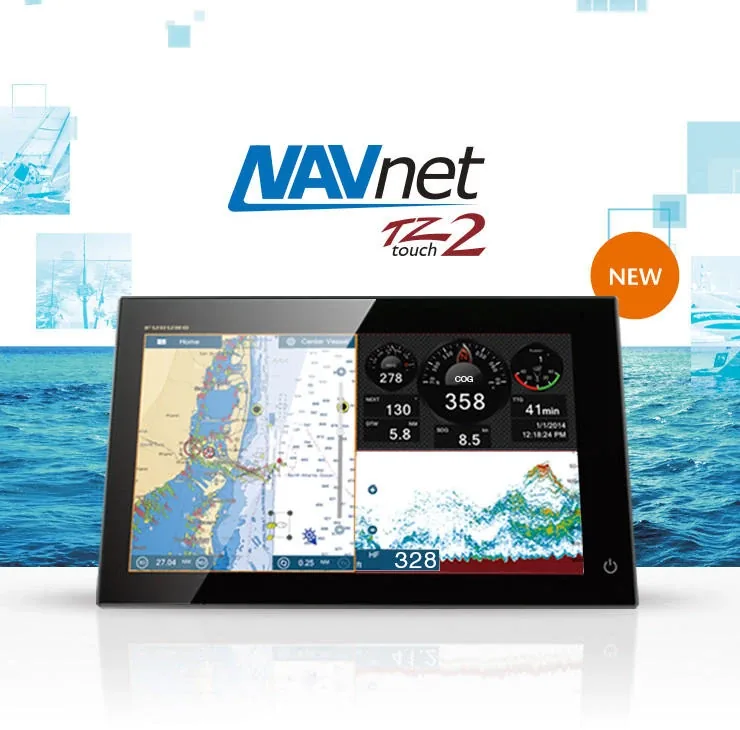
- Offshore center console, single station: the TZT10X at 10.1 inches, or the TZT2 Touch 12F at 12.1 inches if you want more screen for radar and chart together.
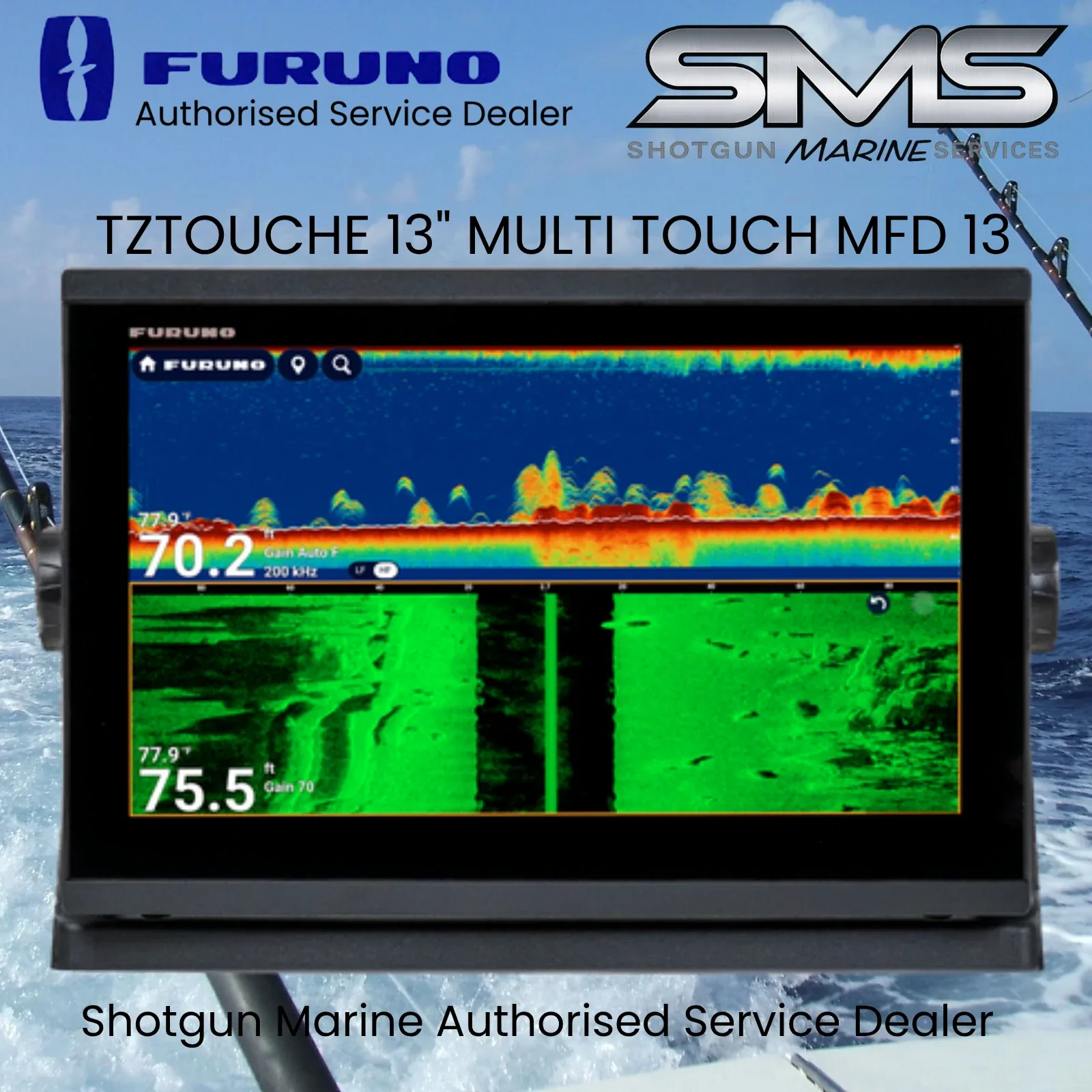
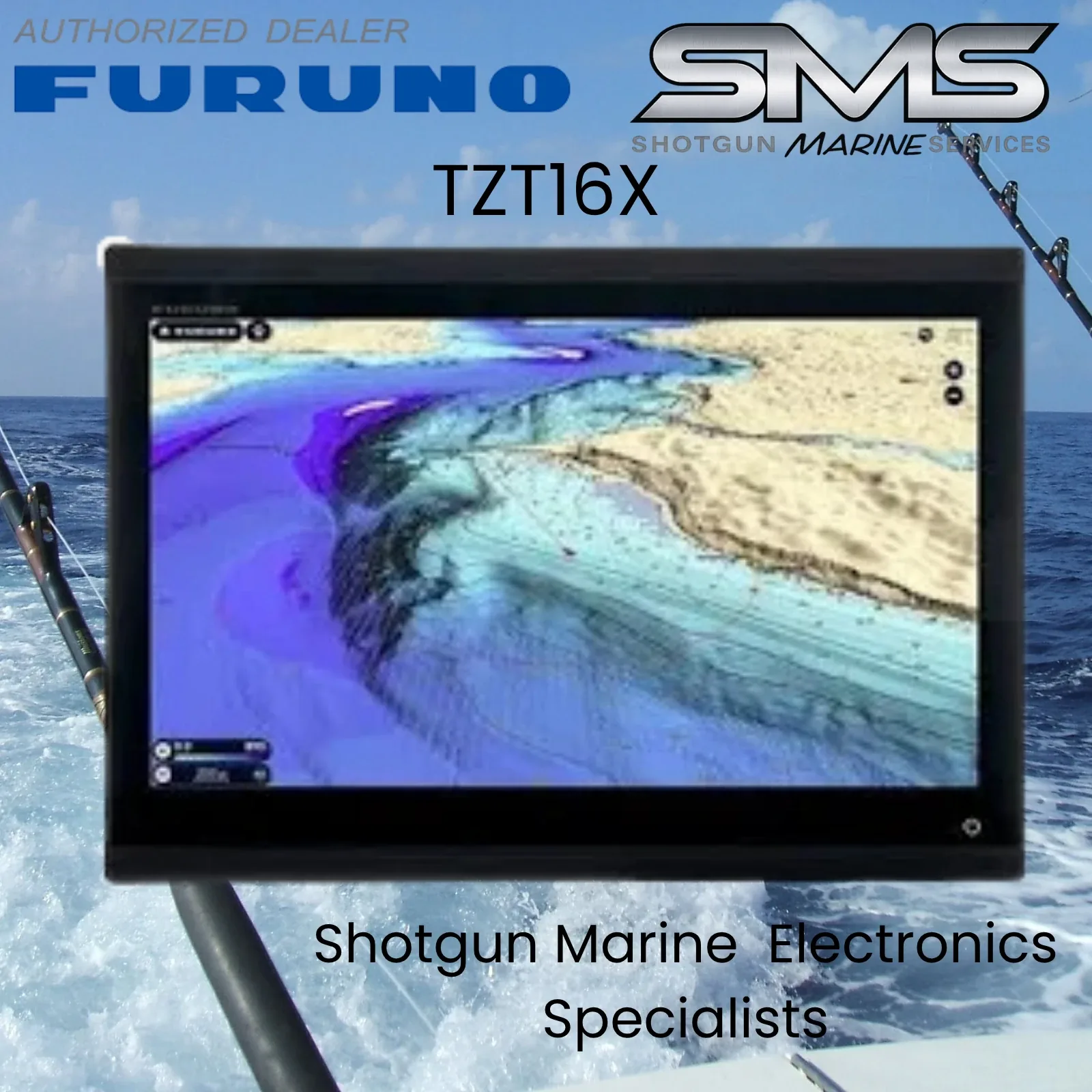
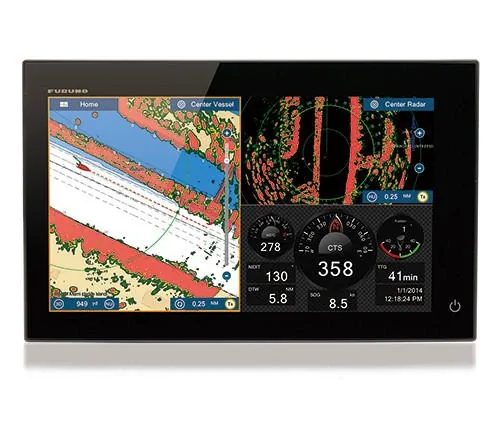
- Sportfisher or twin-station boat: the TZTBBX black box with a TZT13X 13-inch hybrid control display or the TZT16X 16-inch full-touch glass display, and the second station on the same processor.
Screen size is the easy part. The harder questions are whether the display has a sounder built in or needs a module, which transducer connector your hull can take, and how many sonar channels you need if you also run a second sounder. Those are exactly what we check before you pay.
Shipping to New Jersey
New Jersey falls in the East & Midwest zone: parcels are dispatched 1–3 business days after payment clears, then 2–6 business days in transit, tracked and insured. Shipping is priced to your ZIP and shown on the invoice before you pay — the shipping policy has the details. Nothing is charged on the website; you pay the emailed invoice by card payment link, ACH or wire, or Zelle.
Deepline Marine is an online store based in Miami. There is no showroom, pickup, installation or service in New Jersey, and we do not install — the site sells and ships only. Products are new and carry the manufacturer's own warranty. Unused items in original, unopened packaging can go back within 30 days with no restocking fee, per the refund policy.