Shipping marine electronics to New York
New York sits in our East & Midwest shipping zone. Once payment clears we dispatch in 1 to 3 business days, and the parcel is in transit another 2 to 6 business days. Shipping is priced to your ZIP and confirmed on the invoice before you pay, so a Buffalo address and a Montauk address are quoted separately. We are an online store based in Miami: there is no showroom or pickup in New York, and nothing is charged on this website. You get an invoice you can pay by card link, ACH or wire transfer, or Zelle.
Lake Ontario: deep water, downriggers and a screen you can read
From Olcott and Wilson east through Rochester, Sodus Point and Oswego to Henderson Harbor, Lake Ontario is the state's biggest trolling water. The fish are rarely near the surface. NYSDEC's own trolling guidance puts Chinook and steelhead 100 feet or more down over 500 feet of water on a bright summer day, and anglers routinely work baits 60 to 70 feet down over 100 to 150 feet. That is a sonar problem before it is a tackle problem: you need a transducer that holds bottom and marks bait that deep, and a display big enough to read a downrigger spread from the helm.
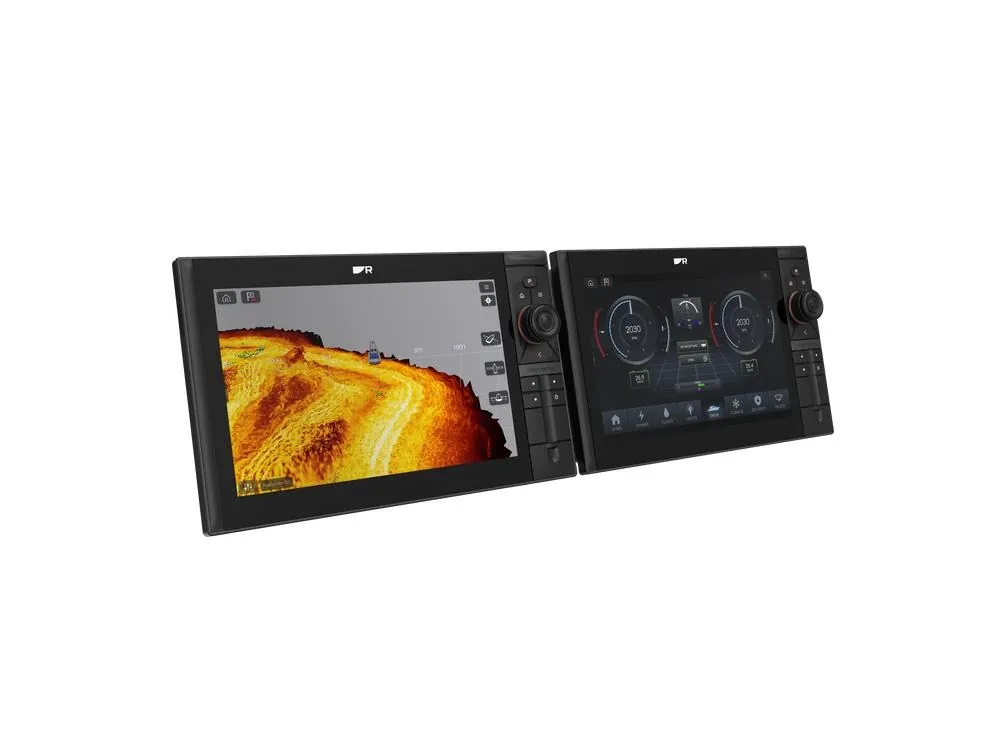
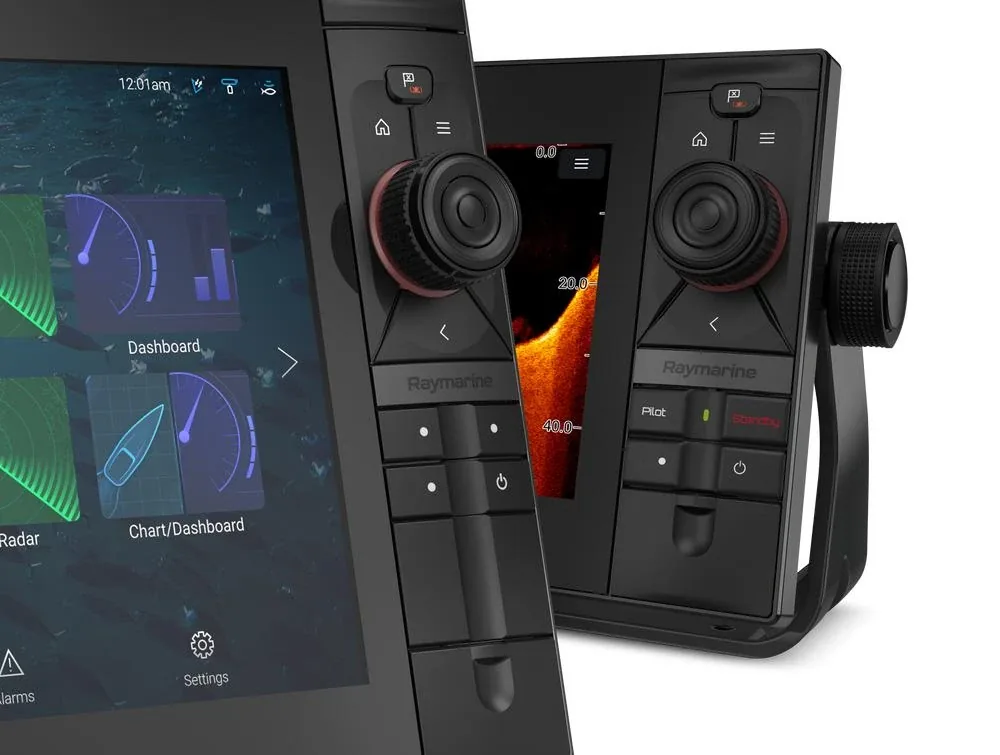
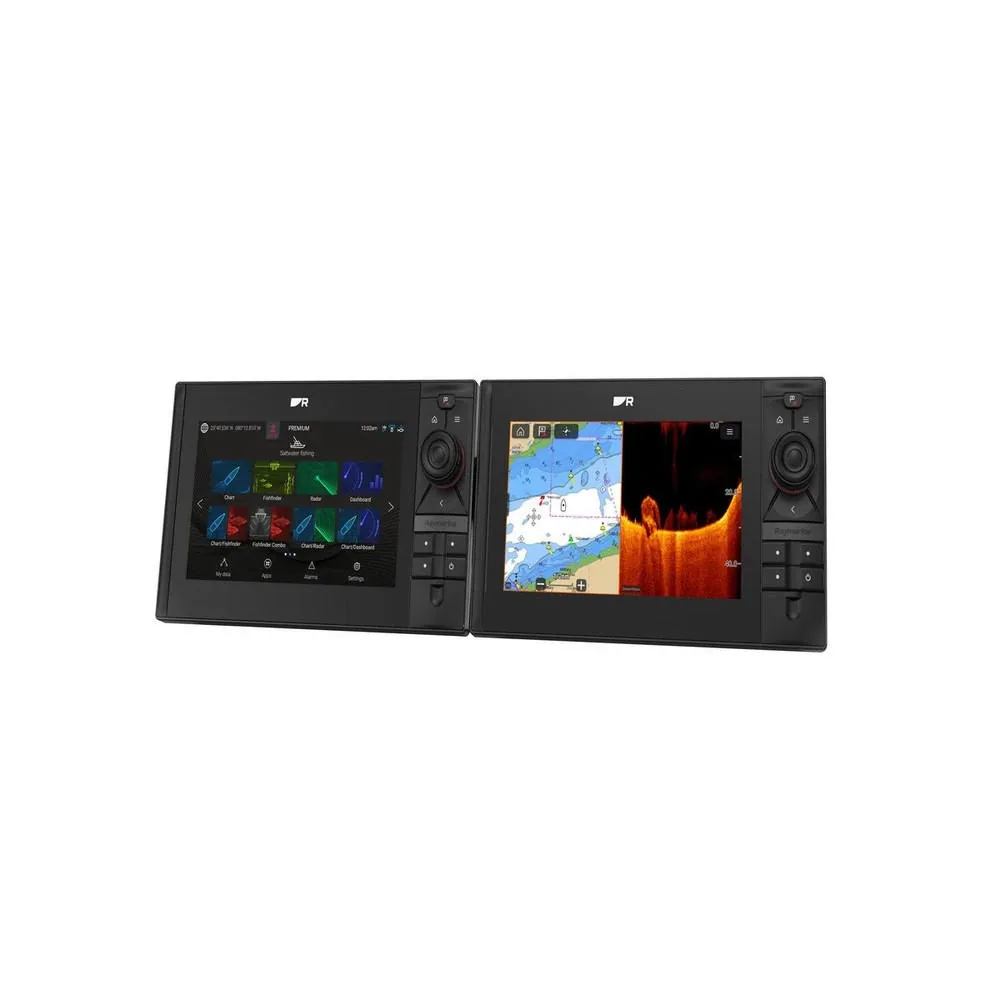
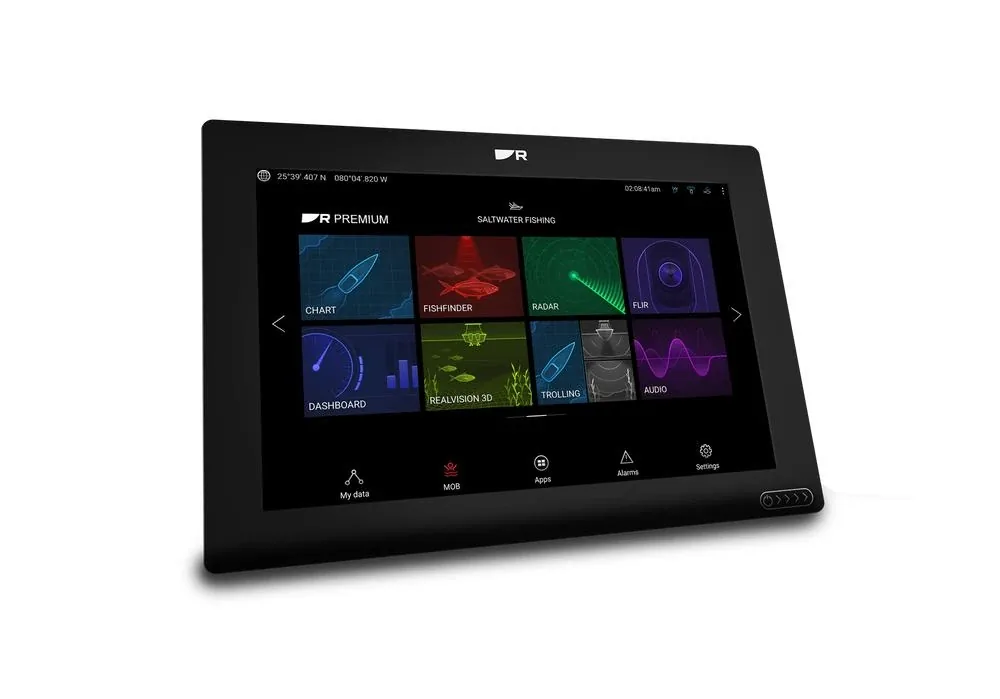
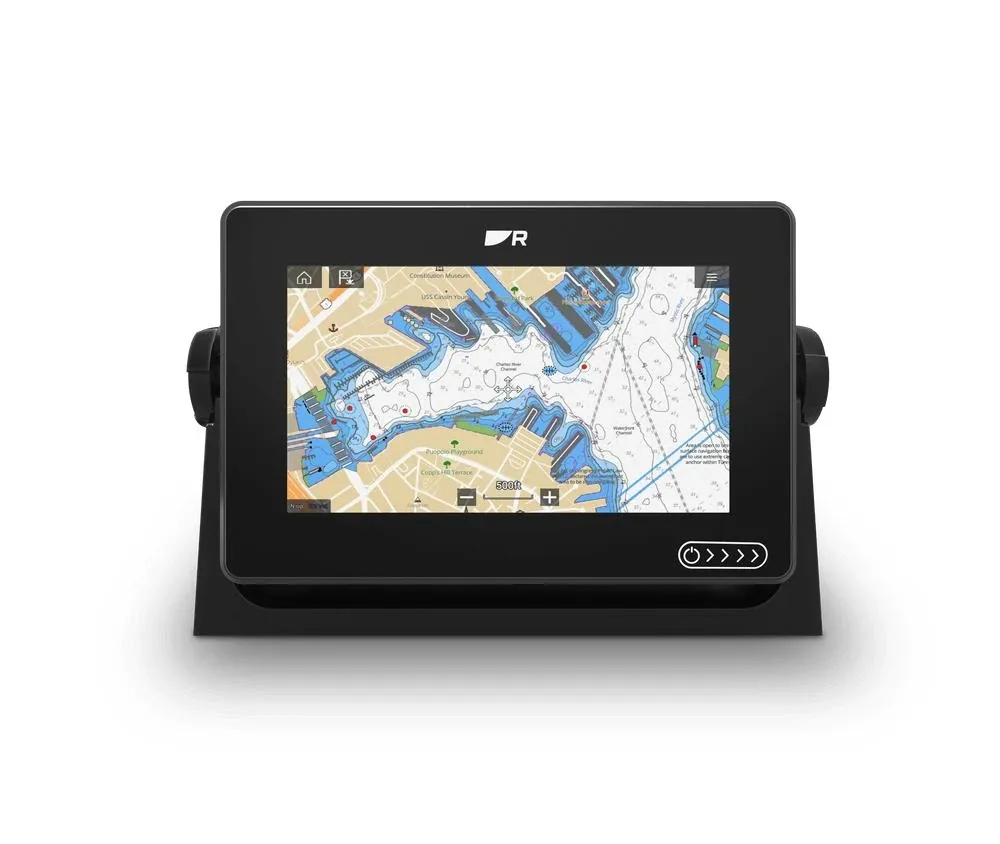
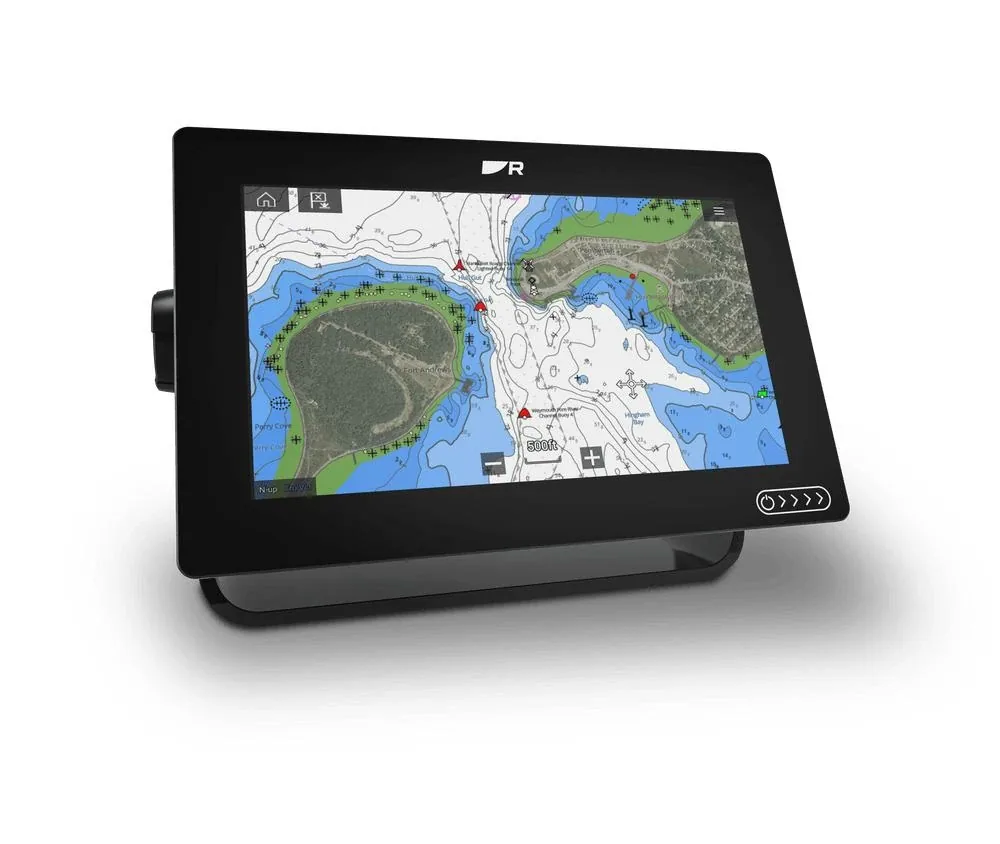
What we fit most for this water is a 1kW CHIRP thru-hull in the 12 or 20 degree tilted-element version to match the deadrise, paired with a Raymarine Axiom+ 9 or Axiom+ 12. Step up to an Axiom 2 Pro if you want the brighter IPS panel and two RayNet ports for radar and a second station. On a deep-V hull a transom mount can be made to work, but it is the first thing to lose bottom in a following sea, and nobody wants a blank screen with a downrigger cable in the water.
Lake Erie: walleye off Dunkirk and Buffalo
The eastern basin out of Buffalo, Sturgeon Point and Dunkirk is a walleye fishery first. NYSDEC notes that about 60 percent of all angling effort on New York's side of Erie goes to walleye, taken by trolling, drifting and casting. Erie is shallow and the fish move, so two things earn their place: a chartplotter with a current chart card for the eastern basin, and sonar that separates a walleye from a 20-foot contour while you are still making way. Down and side imaging do the work over the shoals and around the mouth of Cattaraugus Creek.
Small-boat setup for Erie is a 7 or 9 inch Axiom+ with DownVision and SideVision and a transom-mount transducer on an aluminum or shallow-draft glass boat. If you already own a Garmin or Humminbird display, send the model and we match a transducer to it instead of selling you a second screen.
St. Lawrence River and the Thousand Islands
Current, rock and smallmouth, with muskellunge in the weeds. From Cape Vincent and Clayton through Alexandria Bay to Massena, the river is a maze of shoals and channel edges, and side imaging is worth more here than raw depth power: you are reading boulders, weed lines and current seams in 8 to 30 feet, not marking fish at 300. A 9 inch screen running Navionics or Raymarine Lighthouse charts, with a transom-mount SideVision transducer, covers most of it. Check the transducer's deadrise rating against your hull before you drill.
Lake Champlain and the Finger Lakes
Champlain fishes like two lakes. Landlocked salmon and lake trout down deep off Plattsburgh and Willsboro in spring, then largemouth and smallmouth in the weedy bays to the south. Seneca, Cayuga and Keuka are deep, cold and clear, and lake trout and landlocked salmon there are finesse trolling where a clean 2D picture with the clutter turned down beats a wide cone. A compact Axiom+ 7 RV with RealVision 3D handles a 20 foot boat on any of them.
Long Island Sound: striped bass, fluke and fog
From Montauk and Orient Point west through Port Jefferson, Jones Inlet and Fire Island, this is salt water with hard structure and heavy traffic. Striped bass and fluke, black sea bass and porgy. Seasons and size limits are set each year by NYSDEC, so check the current regulations before you go. Saltwater anglers in New York enroll in the state's no-fee Recreational Marine Fishing Registry rather than buying a marine license, while Lake Ontario, Erie, the St. Lawrence and the Finger Lakes all need the regular freshwater fishing license.
Electronics for the Sound: a thru-hull or in-hull transducer that survives the rips at Plum Gut and the Race, a chartplotter with depth shading and current charts, and radar for the fog that sits on the Sound in June. An autopilot pays for itself on the run from Fire Island Inlet east. Fishing the rocks tight, side imaging shows you the boulder field; drifting for fluke in 40 to 80 feet, the plain 2D bottom picture is what you actually watch.
Ice fishing: Oneida Lake, Sodus Bay, Champlain
Once the bays lock up, Oneida Lake's walleye and perch, Sodus Bay and Irondequoit Bay, and the Champlain shallows around Ticonderoga and Crown Point keep the season going. A flasher or a portable unit with its own battery and soft pack travels better than pulling the console unit off the boat in January. If you are building a dedicated ice kit, start in the ice fishing category.
What we check before you pay
Four things decide whether a display and transducer work together: the connector on the back of the display, the sonar channels the display can drive, the mount your hull will accept, and the power available at the helm. Send your display model and your boat, including hull material, deadrise and where a transducer can physically go, and we match the part before an invoice goes out. Where a listing does not state that a part fits a named display, we confirm it rather than assume it.
Start here: GPS chartplotters, depth sounders and fish finders, transducers, radar and autopilots. The transducer guide explains mount, frequency and power in plain terms, and the FAQ covers payment and returns.