Shipping marine electronics to California
Deepline Marine ships from Miami to California in the Plains, Mountain & West zone: 1 to 3 business days to dispatch once payment clears, then 3 to 8 business days in transit. Shipping is priced to your ZIP and confirmed on the invoice before you pay, and every parcel is tracked and insured. Details are on the shipping policy.
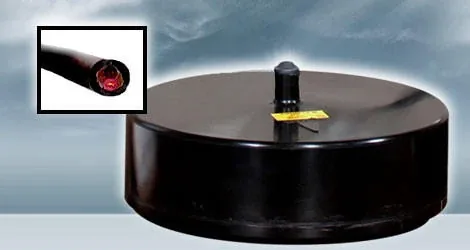
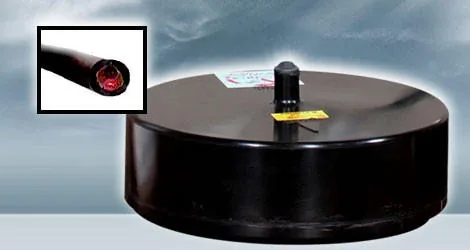
Two things California buyers should plan for. There is no showroom, pickup or installation here or anywhere else; everything ships. And a large thru-hull transducer with a fairing block is a heavy, awkward parcel that may travel on its own tracking number, separate from the display or sounder module ordered with it. If the parts have to be in your hands for a haul-out date, say so when you order and we will tell you what the schedule looks like.
Two different sonar problems in one state
Offshore Southern California is deep, hard and often fished at speed. The Delta and Clear Lake are shallow, weedy and tidal. A 1 kW low-frequency thru-hull that reads a rockpile at 400 feet is dead weight on a bass boat, and a 200 kHz imaging transducer that maps a tule bank is blind at the 43 Fathom Spot. Most California anglers who fish both ends up with two boats or two transducers, and that is the honest answer.
Offshore: rockfish, yellowtail and tuna
Bottom fishing on hard structure
Rockfish sit on rockpiles, reef edges and the tops of banks, mostly between 200 and 400 feet, with some areas deeper when the rules allow. That is the range where a 600 W unit starts to soften its bottom trace at trolling speed and a 1 kW low-frequency transducer still holds a clean line. Low frequency is the tool: 28, 38 or 50 kHz. The wide beam covers more bottom per pass, which is what you want when you are looking for a rockpile rather than fishing one you already know.
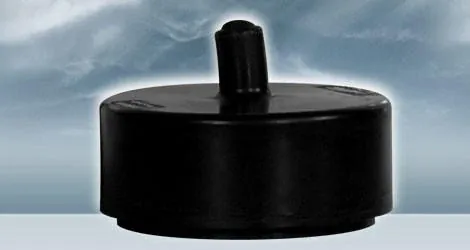
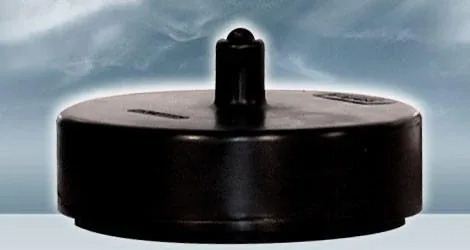
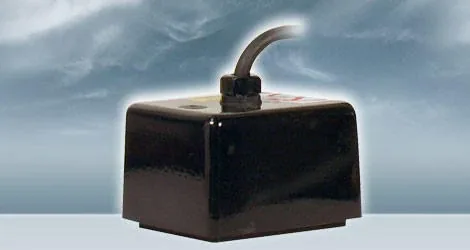
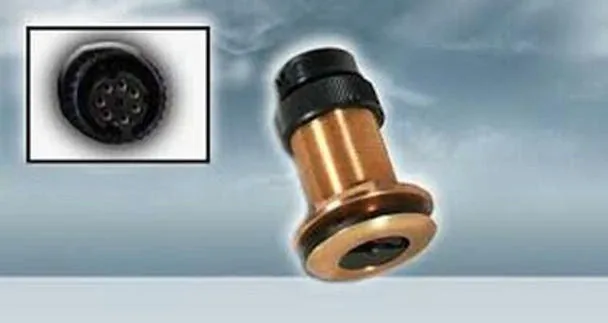
For a boat that lives in the water, the thru-hull answers are in Furuno transducers: the SS175L low-frequency 1 kW CHIRP in stainless, or the 28BL-12HR, 38B-15HR and 50BL-24HR single-frequency units in rubber housings for a sounder that takes one fixed frequency. Pair a low frequency with a 200 kHz transducer and you get depth and bottom hardness from one, detail in the top 150 feet from the other.
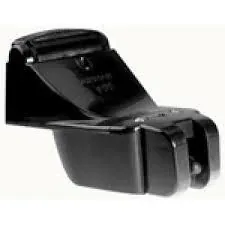
For a trailer boat that will not take a hole in the hull, the TM260 is a 1 kW transom mount, and the TM275LHW puts low and high CHIRP in one transom housing. A transom mount reads well on the plane if the face sits in clean water below the hull line; mounted too high or in the prop wash it loses bottom the moment you come off step. The rest of the range is on the transducer department page.
Tuna and yellowtail in open water
Pelagic fish are a different job. Bluefin, yellowfin and yellowtail are usually in the top 200 feet and often in the top 50, and they move with temperature breaks, bait and kelp paddies. You do not find them by mapping bottom; you find them on a mark in the upper column, on birds, and on water temperature.
That argues for high frequency rather than more power. A 200 kHz side of a 50/200 kHz transducer, or a high-wide CHIRP model, gives a usable cone at trolling and planing speed. One narrow 50 kHz transducer will mark a tuna under the boat, but the cone is wide and the detail coarse at 30 feet down. If you are adding one thing for offshore work, make it sea surface temperature and a chartplotter you trust: banks, ridge lines, paddies and your own track log are what put you back on a school. Start at GPS chartplotters, and if the boat already has a Furuno display, the sounder modules are under sonar.
The Delta and Clear Lake: shallow, tidal, weedy
The Sacramento–San Joaquin Delta is a web of channels and sloughs where the tide reverses the current twice a day. Striped bass run it on the move, largemouth and smallmouth bass hold in the backwaters, sturgeon sit in the deep bends. Water is commonly 6 to 25 feet and rarely clear. Clear Lake is not tidal but is just as shallow, warmer and heavier in weed.
Three things work here and little else does. Side imaging, because it reads levee rock, tule edges, sunken structure and channel bends out to either side instead of only what is directly below. A trolling-motor mount, because you spend the day drifting, idling against current or working a bank at walking pace, and the transducer stays level and under you instead of behind a prop in aerated water. High frequency, 200 kHz or the 455 and 800 kHz imaging bands, to hold bottom in current; low frequency in 12 feet of water just paints a wide, soft smear.
Down imaging in the Delta shows less than people expect. In turbid water the returns come back weak and the useful range is a fraction of the manufacturer's number, so keep the side-imaging range tight, around 60 to 80 feet, and slow down.
Mountain reservoirs: Shasta, Oroville, Folsom and Trinity
These are the opposite of the Delta: deep, clear, steep-sided, often 100 to 300 feet at the dam, with spotted and smallmouth bass on rock, kokanee and trout in open water. Clear water means fish see the boat, so a narrow high-frequency beam and a long cast beat a wide cone that spooks them. Down imaging shows fish tight to rock and the depth they are holding at; a 200 kHz beam does the depth work.
If you want nothing hanging off the transom, an in-hull mount works through solid fiberglass and nothing else. Not aluminum, not a cored hull, and it will not read water temperature. A thru-hull or transom mount is the honest choice on anything else.
Which mount for which California boat
| Boat and water | Mount | Frequency and power |
|---|---|---|
| Trailer center console, offshore to 400 ft | Transom, face below the hull line | 1 kW, 50 kHz low plus 200 kHz high |
| Sportfisher or boat kept in a slip | Bronze or stainless thru-hull | 1 kW low-frequency CHIRP, 28 to 50 kHz |
| Bass boat, Delta or Clear Lake | Trolling motor and transom | 200 kHz plus 455/800 kHz imaging |
| Aluminum hull, mountain reservoir | Transom | 200 kHz, down imaging |
| Kayak, inflatable or tender | Portable bracket or suction cup | 200 kHz, single beam |
The mount, frequency and connector rules are set out in full in the transducer guide. If you only read one section, read the connector part: a transducer with the wrong plug is a return, not an upgrade.
Before you order: what we check
- the display or sounder model, and whether it takes a 10-pin plug or bare wires
- hull material and deadrise at the mounting point
- where the transducer will sit and what is already drilled or fitted there
- the deepest water you actually fish, and whether you fish it at speed
- whether you need depth only, or depth with speed and temperature
Send those and we match the model, the adapter or the matching box before an invoice goes out. The listing tells you what the part is; the compatibility check tells you whether it suits your hull and your display. Nothing is charged on the site, and you can pay the emailed invoice by card link, ACH or wire, or Zelle. Unused items in original packaging can come back within 30 days with no restocking fee, and an order can be cancelled free any time before it ships.
Regulations are the one thing we will not guess at. Groundfish depth limits, seasons and closed areas off Southern California change by area and by year, and much of the coast and the islands sits inside marine protected areas. Check the current California Department of Fish and Wildlife rules before you plan a trip.