What the bay does to sonar
The Chesapeake averages about 21 feet deep, and more than a quarter of it is shallower than 6 feet. The dredged federal channel is the exception: roughly 50 feet of water from the Virginia Capes north to Fort McHenry at Baltimore. So most of the bay reads as flat, featureless bottom on a sounder. The fishing is concentrated in the small percentage of water where something changes — a channel edge, a lump, a river mouth, a bridge piling.
That shapes the electronics you want. A unit that resolves a 2-foot depth change at 20 feet, and marks fish sitting tight to the bottom, is worth more here than one with a long list of features you will never open. High-frequency CHIRP (around 200 kHz) gives you that detail. The lower frequencies are for the channel cuts and the deeper water off Annapolis, where the bay drops to its deepest point.
Fish finder settings for 21-foot water
- Range: set it manually to 30 or 40 feet. Auto-range in a shallow bay keeps rescaling under you and makes a 20-inch drop-off look like nothing.
- Frequency: high CHIRP for bottom detail and fish tight to structure. Medium CHIRP is the compromise when you want some depth without losing definition.
- Chart speed: fast, matching boat speed. Trolling a channel edge at 2.5 knots, you want the bottom contour to stay in proportion.
- Side imaging: earns its place on the channel edge and along the bridge rock piles, where fish sit off to the side of the boat and never pass under the transducer.
- Down imaging: for checking whether a mark on the bottom is a fish or a lump of shell.
If you are casting to the Bay Bridge piers and the Chesapeake Bay Bridge-Tunnel pilings rather than trolling, live sonar is the more useful addition — it turns a cast at a piling into a cast at a fish. Our fish finders and depth sounders department covers both kinds of unit, and the transducer guide explains which mount suits a bay boat, a center console or a deadrise hull.
Radar is not a luxury on this bay
Two of the busiest ports on the East Coast — Baltimore and Hampton Roads — sit on this water. The main channel carries ships that cannot stop and cannot see you. Add the fog that settles over the bay in spring and fall, the number of small boats crossing between the Eastern and Western shores, and the bridges at Annapolis and at the bay mouth, and you have a body of water where seeing in the dark and the murk is basic safety.
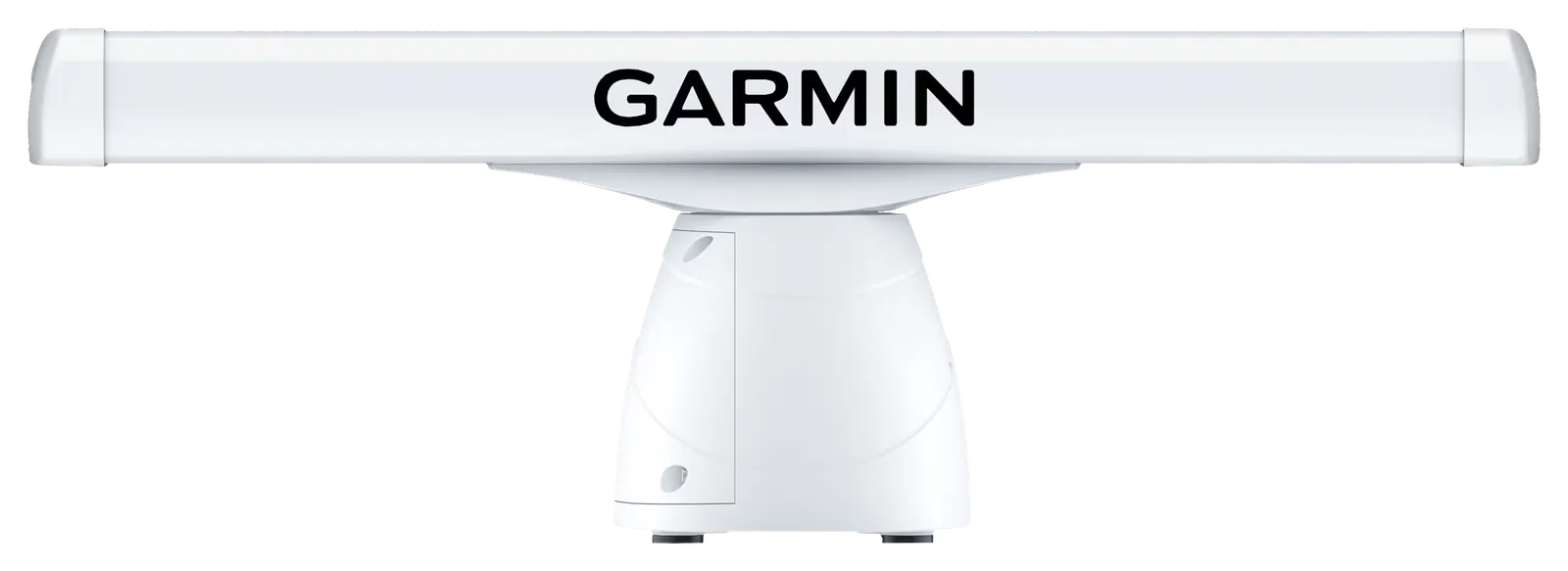
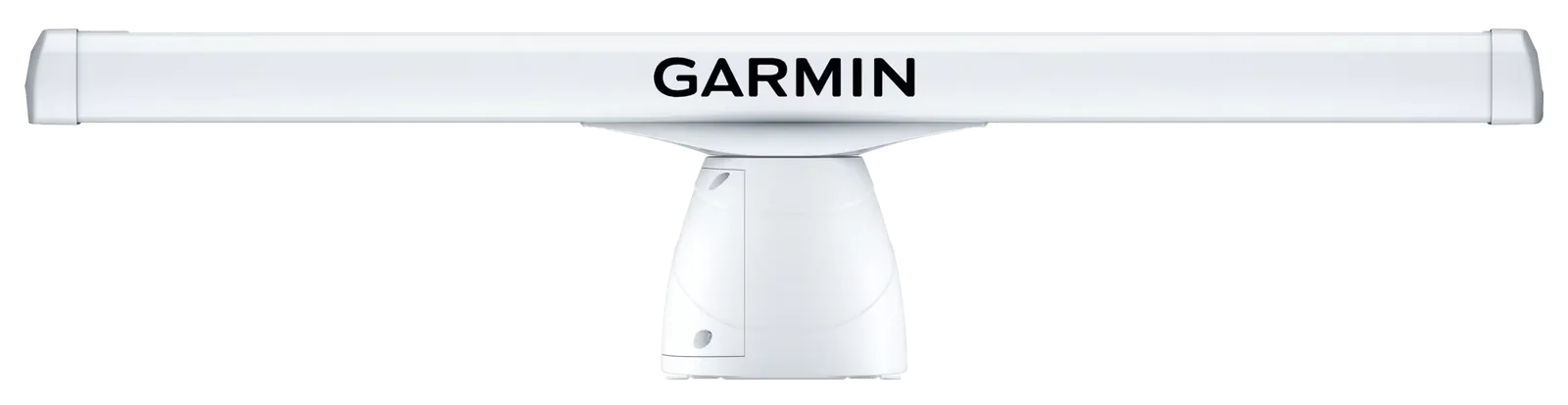
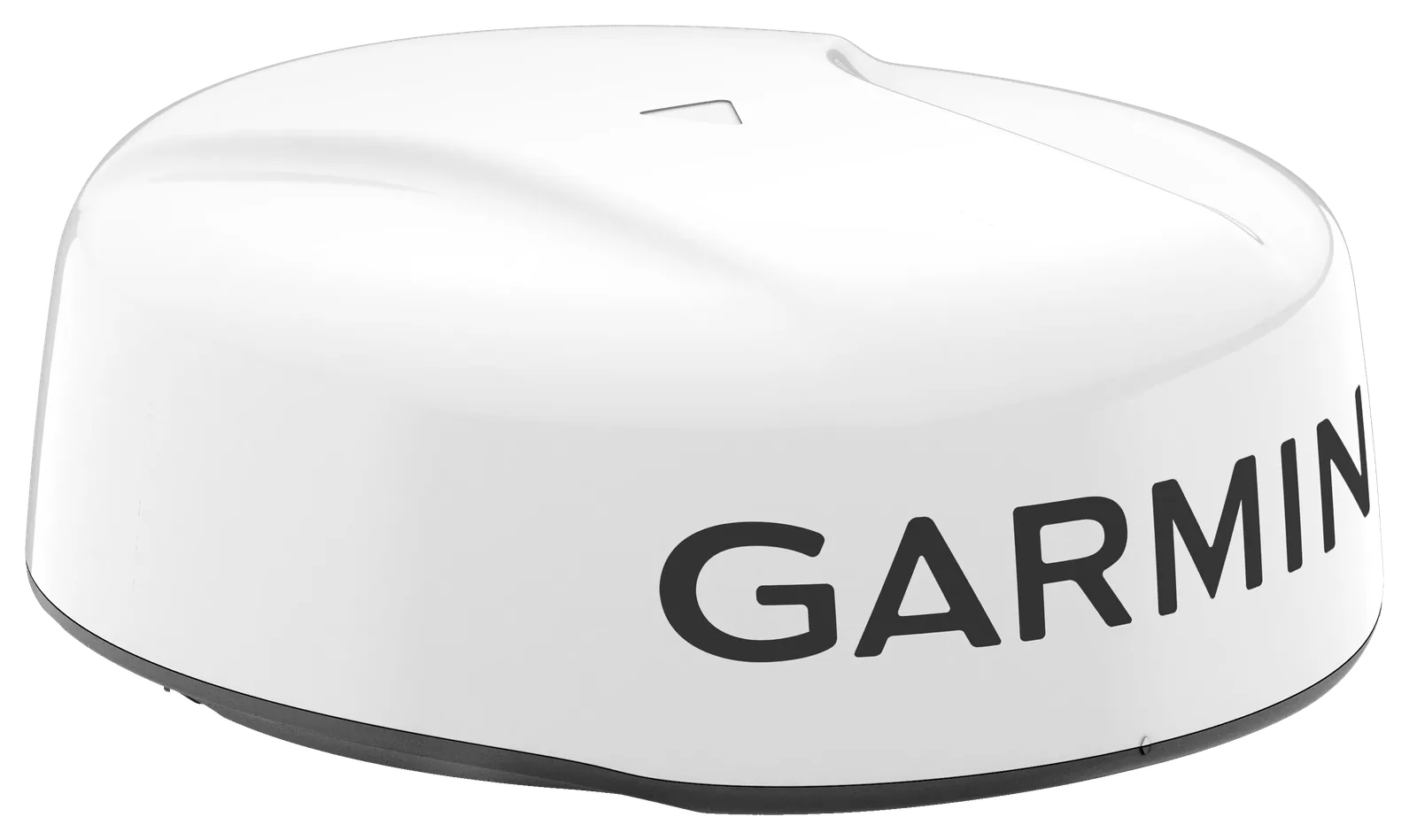
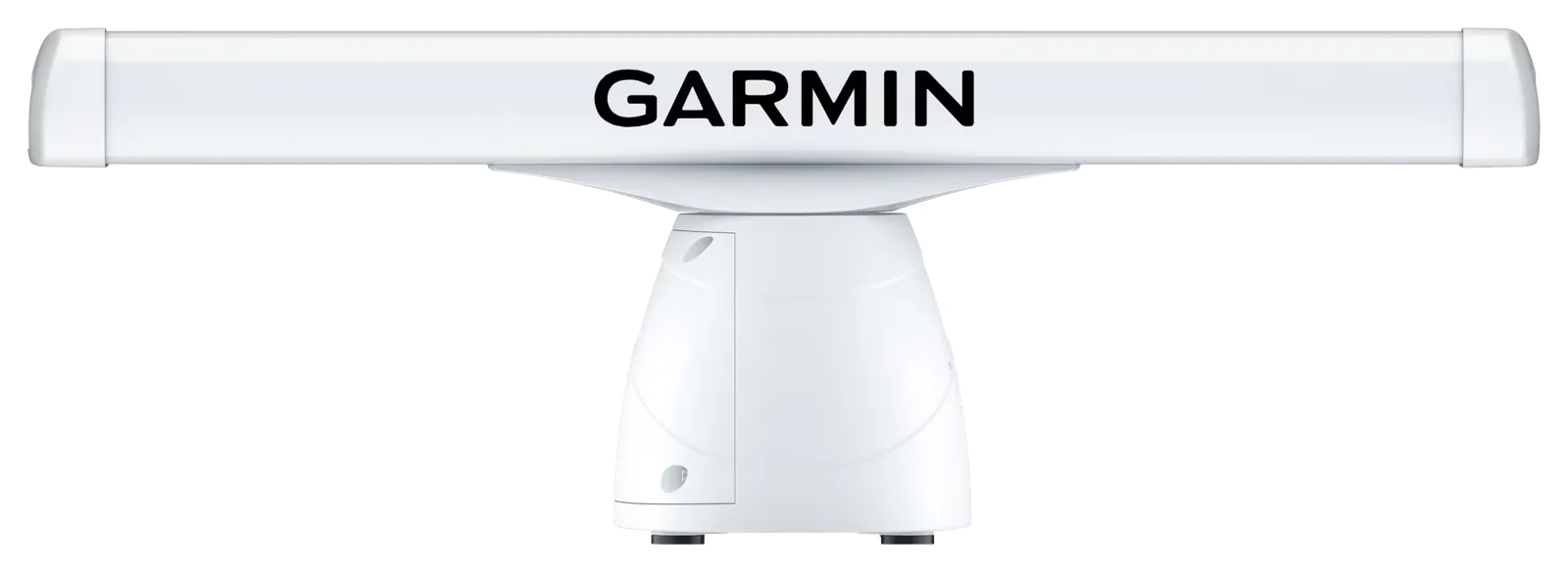
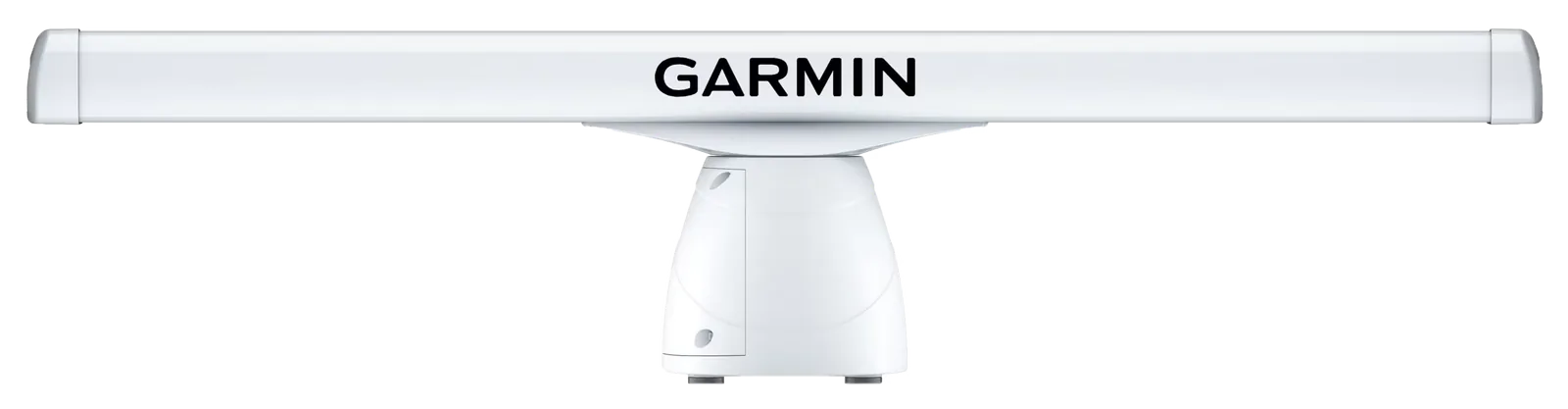
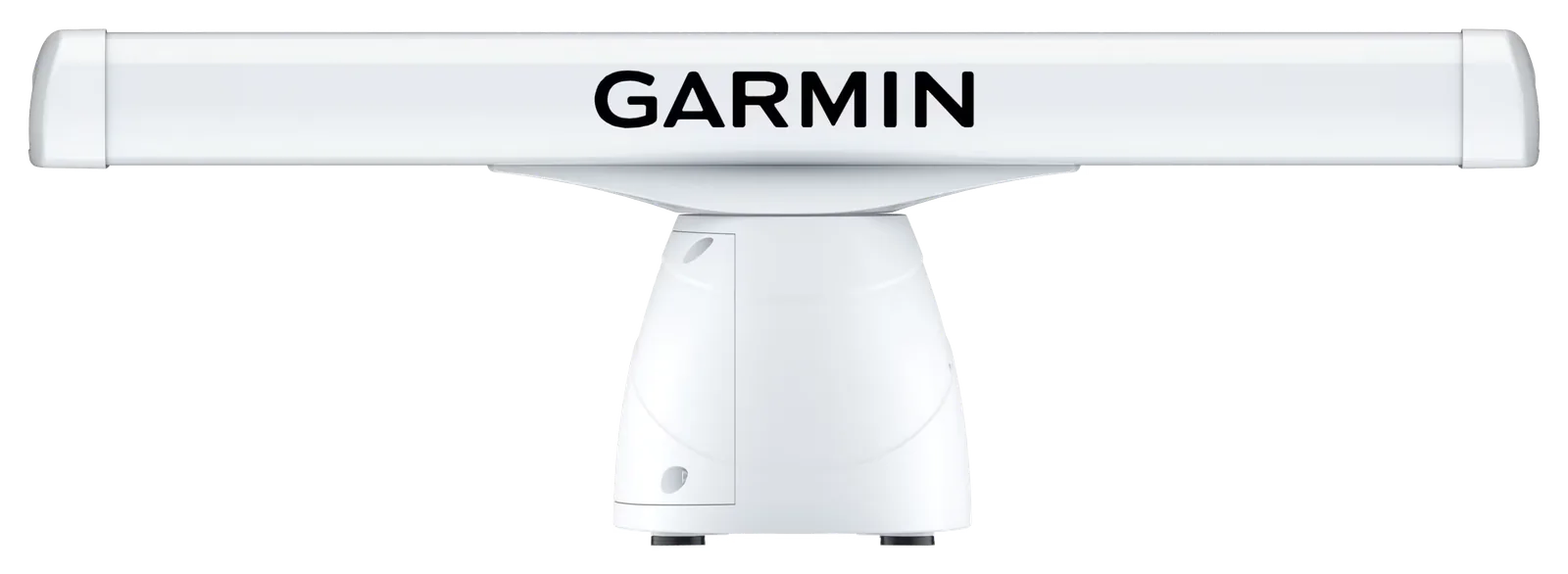
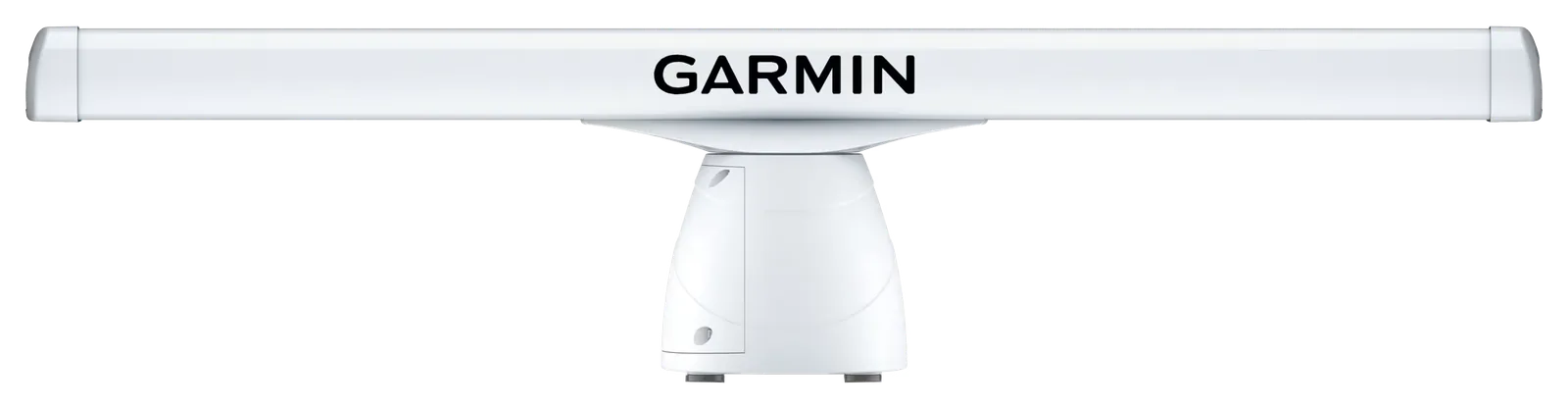
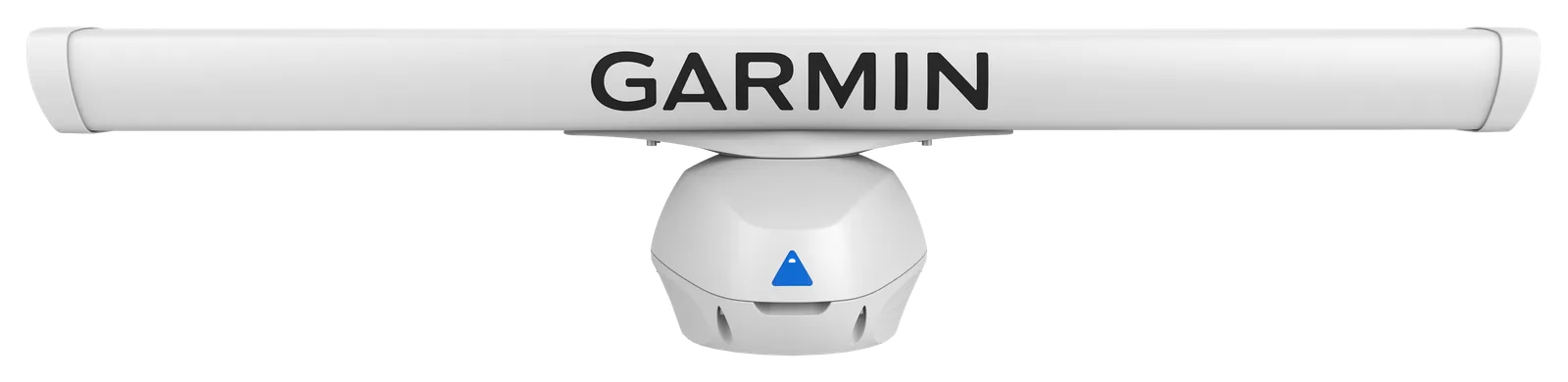
A radome is the right choice for most bay boats: 18- or 24-inch, mounted on the hardtop, no open array to snag on a bridge fender or a low trailer. An open array pays off if you run offshore out of Virginia Beach or Ocean City as well, where you want to pick a small target out of a sea return at distance.
Two things worth knowing before you buy:
- Radar overlay on a chartplotter is only as good as the heading source. Without a heading sensor the overlay lags in a turn and the picture lies to you.
- MARPA target tracking helps you tell a moving ship from a buoy, but it does not replace keeping watch or a VHF on channel 16.
Garmin radome and open-array units are in Garmin radar, and the wider radar department carries Furuno, Simrad, Raymarine and Lowrance if your displays are already one of those brands.
Where the fish are, and what to point the transducer at
The bay is mostly boat water, and it fishes by structure rather than by depth:
- Channel edges and drop-offs. The dredged channel is the bay's main feeding lane. Troll to find a school, then work the edge with jigs.
- Lumps and shoals. Raised hard bottom where current meets a rise and stacks bait. In the lower bay these are the cobia and red drum ground.
- Bridge pilings and rock piles. The Bay Bridge piers and the Chesapeake Bay Bridge-Tunnel islands hold fish through the fall.
- River mouths. The Susquehanna, Potomac, Patuxent, Choptank and James all dump bait and dirty water into the bay, and the fish sit on the seam.
- Tangier and Pocomoke Sounds. Shallower, more protected water on the Eastern Shore, where a transom-mount transducer and a careful eye on the depth readout keep you off the flats.
Striped bass — rockfish — is the fish most people come for, from the upper bay down to the bridge-tunnel. Bluefish run through in spring and fall, summer flounder work the lower bay and the inlet mouths, and speckled trout hold in the lower-bay creeks and around the Virginia barrier islands.
Seasons and size limits are set separately by Maryland, Virginia and the Potomac River Fisheries Commission, and they change from year to year. Check the current rules with Maryland DNR or the Virginia Marine Resources Commission before you fish rather than relying on last season's calendar.
Getting it to Maryland, Virginia or DC
Maryland, Virginia and the District are all in our East & Midwest shipping zone: 1–3 business days to dispatch once payment clears, then 2–6 business days in transit. Shipping is priced to your ZIP code and confirmed on the invoice before you pay anything. We ship only — there is no showroom or pickup — and every order is reviewed against your boat and display before the invoice goes out.
Before you order
Send your display model and your hull — transom height, whether you have a fairing block, what the boat already has on the network — and we will check the transducer, cable and radar against it. Nothing is charged on the site: the invoice comes by email with a card payment link, ACH or wire, or Zelle. New units carry the manufacturer's own warranty, and unused items in original packaging can be returned within 30 days with no restocking fee.
Not sure which way to go? Send us the boat and the display and we will answer with a specific unit rather than a range.